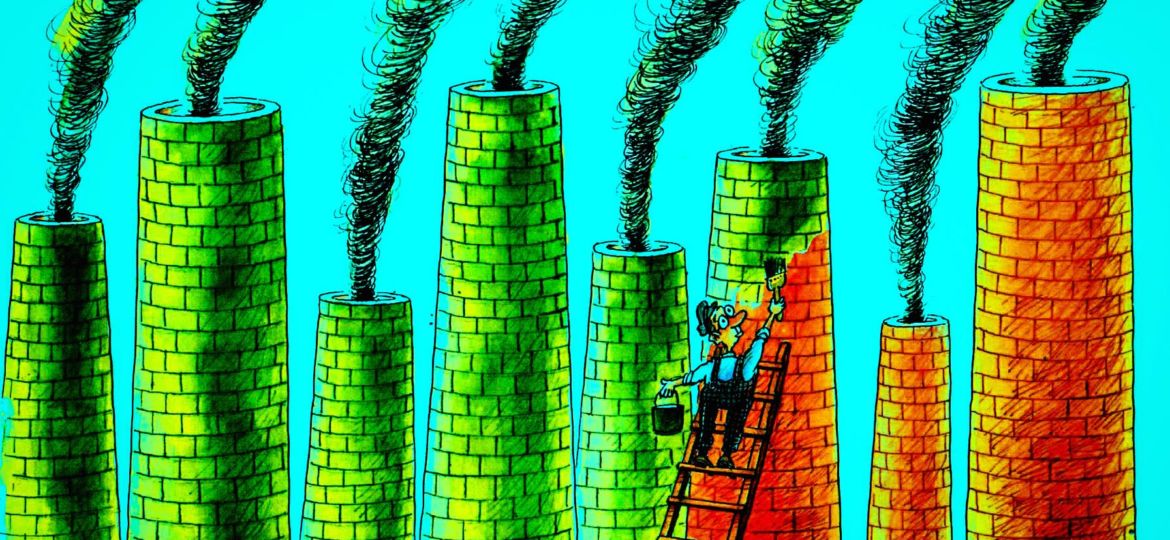

By the end of 2025 the world was facing a climate collapse. These reversals represent a retreat from the goal of “net zero” emissions by 2050, but not a wholesale retreat from climate action itself.
Climate policy suffered blistering setbacks in 2025 despite a clean energy boom. Accelerating energy transition is important, but global energy demand is rising faster than renewables, with the gap widening. The difference is being provided by fossil fuels.
Is the ‘energy transition’ a real thing? “What has been unfolding is not so much an ‘energy transition’ as an ‘energy addition’,” is how experts describe the situation.
The energy transition can’t be taken for granted and arguably hasn’t really even begun. In fact, what is happening around the world is an ‘energy reset’.
World energy in 2026 will be shaped by five themes: geopolitics, commodity markets, affordability, power prices and M&As.
President Trump’s US exit from UNFCCC and IPCC is already harming climate action. The US has already failed to meet a number of its UN climate treaty obligations, including reporting its emissions and funding to the UNFCCC, and has not attended recent climate summits.
Nuclear fusion is back in the limelight. When will it take off? Two-thirds of technology developers said they expect to achieve commercial fusion between 2030 and 2035.
Coal power dropped in China and India for the first time in 52 years after record increases in clean energy.
The IEA is alerting the world of the urgent need to modernise and expand electricity grids. Trying to modernise the power system without putting attention on grids is like trying to build a train network by buying locomotives and building stations, but neglecting to install the rails that connect them.
Global renewable capacity is on track to more than double over the next five years, led by solar PV. But the IEA is warning that as renewables’ role in power systems grows, the sector is facing growing headwinds, from supply chain pressures, to grid integration challenges.
Eurostat published its report on shares of renewable energy sources in gross electricity consumption in the EU. Cyprus still lingers in 23rd position with less than 25%, compared to the EU average of 47.5%.
The race for critical minerals is reshaping geopolitics as governments move directly into supply chains once left to markets. China controls 85-95% of refined rare earths, forcing rivals like Japan and the US to treat minerals as national security assets.
The IMF said that AI may live in the cloud, but its infrastructure is more grounded. Massive data centers demand gigawatts of power and millions of gallons of water. AI’s footprint is real.
Dr Charles Ellinas, Councilor, Atlantic Council
X: @CharlesEllinas