
By Chris Michael
The European Union appears to be gradually laying the groundwork for a more active role in future negotiations over the war in Ukraine. Diplomatic contacts and informal channels of communication with Moscow have already begun to take shape, not with the aim of mediating between Kyiv and Russia, but rather to ensure that the European Union secures a seat at the negotiating table when the time is right.
The Russian side maintains that it remains open to dialogue with European countries, while making it clear that it will not accept ultimatums.
Within the EU itself, different approaches continue to emerge. Several eastern European member states remain cautious about any rapprochement with Moscow, while other governments argue that diplomatic channels should not remain permanently closed.
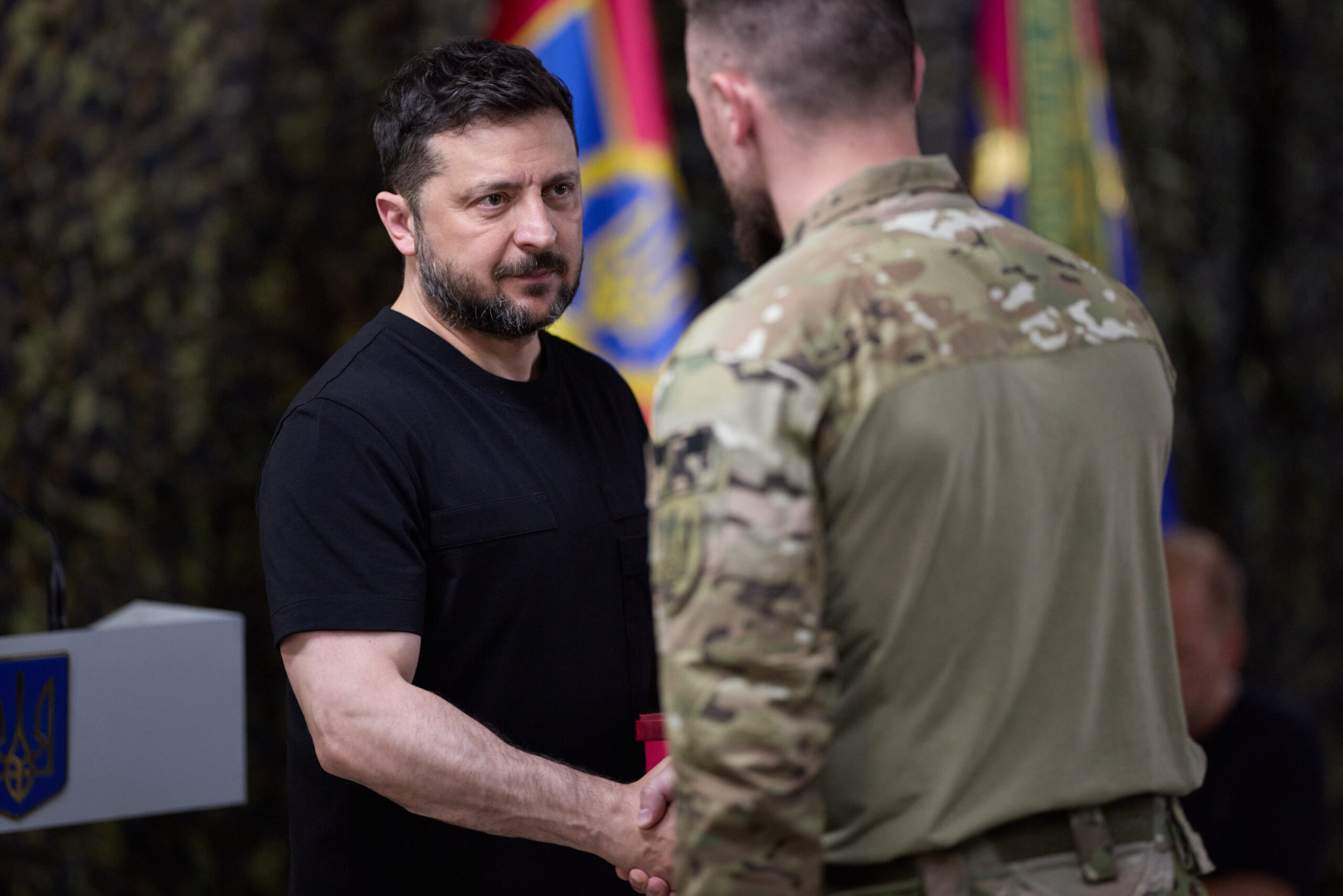
At the centre of the European debate now lies the economic burden of the war. Ukrainian President Volodymyr Zelenskyy’s repeated appeals for increased military and financial assistance, additional funding packages, ammunition, air defence systems and military equipment have had a direct impact on the fiscal priorities of many European governments.
Over the past several years, the EU and its member states have allocated tens of billions of euros in support of Ukraine.
Critics of this policy argue that these expenditures place additional pressure on national budgets, increase government borrowing requirements and raise the cost of public financing. Supporters, however, contend that assisting Kyiv represents an investment in European security and a necessary measure to prevent wider regional instability.
The energy crisis that followed Russia’s invasion of Ukraine, together with the sanctions imposed on Moscow, triggered significant changes across European economies. Although Europe has substantially reduced its dependence on Russian natural gas, energy costs remain considerably higher than before the war, placing continued pressure on both households and industry.
Kyiv’s persistent requests for additional weapons and ammunition have also prompted the EU to strengthen its defence manufacturing capabilities. European defence industries are now being asked to expand production at a time when many member states are facing sluggish economic growth and rising public debt.
Another issue attracting considerable attention is the proposal to use frozen Russian state assets held in Europe to finance Ukraine’s reconstruction and military needs.
While several governments support the initiative, legal and financial experts warn that the move raises complex questions under international law and could affect international investors’ confidence in the Europe’s financial system.
Meanwhile, voices calling for greater attention to the domestic costs of the war are becoming increasingly prominent across Europe.
Inflation concerns
Opinion polls in several countries indicate that a significant proportion of European citizens are concerned about inflation, energy prices and the long-term financial commitments associated with the conflict, although public attitudes vary considerably from one country to another.
In Moscow, President Vladimir Putin continues to warn that NATO is preparing for a direct confrontation with Russia. Addressing graduates of Russian military academies in a recent speech, he stated that Russia is prepared to respond to any threat, while insisting that Moscow remains open to peace negotiations regarding Ukraine.
The issue causing the greatest concern across Europe remains Russia’s vast nuclear arsenal.
Russia possesses one of the world’s two largest nuclear forces, including intercontinental ballistic missiles, nuclear-powered submarines and strategic bombers capable, in principle, of striking targets across much of Europe.
Security analysts generally agree that these nuclear capabilities primarily serve as a deterrent. Nevertheless, their existence significantly raises the stakes of any direct military confrontation between Russia and NATO.
As the war enters a prolonged phase, Europe faces a difficult dilemma. It must determine how to continue supporting Ukraine without placing excessive strain on its economies and societies, while also seeking a future diplomatic settlement without appearing to compromise its fundamental principles of security and international law.
One thing remains certain: the decisions taken in the months ahead will shape not only the outcome of the war in Ukraine, but also the future of Europe itself.
Chris Michael is a political commentator and business consultant