
 By Chris Michael
More than half a century after Turkey’s 1974 invasion of Cyprus, the island remains divided by military occupation.
Much has been written about the diplomatic deadlock, security concerns and repeated failures to achieve a comprehensive settlement. Far less attention, however, has been paid to an uncomfortable reality: the role that economic activity plays in sustaining the occupation regime and the status quo.
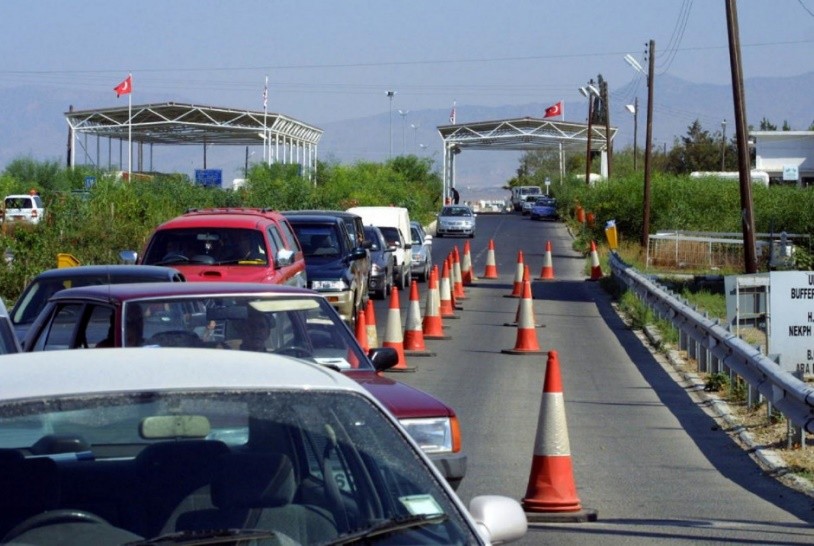
Every day, thousands of crossings take place between the government-controlled areas of the Republic of Cyprus and the occupied north. Many are legitimate and facilitated under the Green Line Regulation.
Yet one particular trend deserves serious public reflection: the growing number of Greek Cypriots who visit casinos operating in the occupied areas.
This is not merely a matter of personal entertainment or consumer choice. The revenues generated by businesses operating in the occupied north contribute to an economy functioning under a secessionist entity that is recognised by no country other than Turkey. Regardless of individual intentions, money spent in this economy strengthens structures that exist as a consequence of the continuing occupation of the northern part of Cyprus.
This raises an important ethical and political question. Can citizens who condemn the occupation also ignore the broader implications of financing commercial activities that operate within its economic framework?
The issue is particularly sensitive when those making such visits include individuals who have spent their professional lives serving the institutions of the Republic of Cyprus. Public service carries not only legal obligations, but also a continuing responsibility to uphold the values and institutions of the state that citizens have served.
The discussion, however, extends beyond casinos.
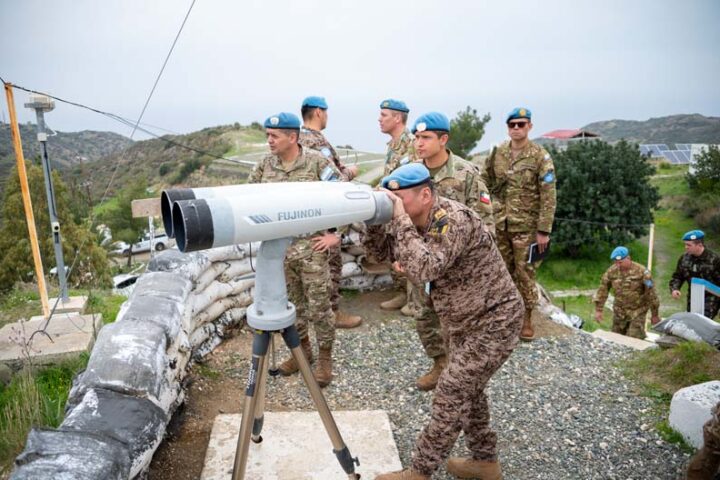
Recent developments in and around the United Nations buffer zone demonstrate that the Cyprus problem is far from frozen. The confrontation in the Pyla area in 2023, during which UN peacekeepers were assaulted by Turks while attempting to prevent unauthorised construction works, illustrated how quickly tensions can escalate when attempts are made to alter the status quo on the ground.
The buffer zone is not Turkish territory. It is an area administered by the United Nations Peacekeeping Force in Cyprus (UNFICYP) under arrangements intended to prevent military confrontation between the opposing forces. Any unilateral attempt to change conditions within that zone raises concerns not only for Cyprus, but also for the credibility of international peacekeeping and the rules-based international order.
These developments should not be viewed in isolation. Economic normalisation of the occupied areas and gradual changes to the situation on the ground are interconnected. Financial activity enhances the resilience of the occupation economy, while incremental actions seek to consolidate political realities that the international community has never recognised.
This is not an argument against people-to-people contacts or against efforts to build confidence between the two communities. Such initiatives remain important for any future settlement.
It is, however, an argument for recognising that certain forms of economic activity may carry wider political consequences in a country that continues to live with the legacy of military occupation.
The Republic of Cyprus should continue to address these issues through the rule of law, sound public policy and active diplomacy. Equally, public debate should encourage citizens to consider how individual economic choices may affect broader national interests. Mature democracies depend not only on government action but also on civic responsibility.
More than fifty years after the invasion, Cyprus still bears the human cost of division. Families continue to seek answers regarding missing relatives. Thousands of refugees remain deprived of their ancestral homes. The island’s partition continues to shape its politics, economy and society.
Military occupations are sustained not only by soldiers and political decisions but also by economic realities. Individual consumer choices may seem insignificant in isolation, yet collectively they can reinforce structures that prolong division rather than support reconciliation.
For Cyprus, this is not simply a question of economics. It is a question of consistency, responsibility and respect for the principles of sovereignty and international law that continue to underpin the Republic’s position before the international community.
Chris Michael is a political commentator and business consultant