
By Chris Michael
As diplomatic efforts to revive negotiations on the Cyprus issue gather momentum, expectations for a meaningful breakthrough remain modest. Decades of failed initiatives have demonstrated a persistent reality: without a fundamental shift in Turkey’s position, the prospects for a comprehensive settlement remain remote.
Ankara has shown little indication that it is prepared to reconsider its long-standing policy on Cyprus. On the contrary, its rhetoric and actions continue to reinforce positions that leave little room for compromise. As long as maintaining the status quo carries no meaningful political or diplomatic cost, there is little incentive for Turkey to alter its approach.
This is where the United States becomes indispensable.
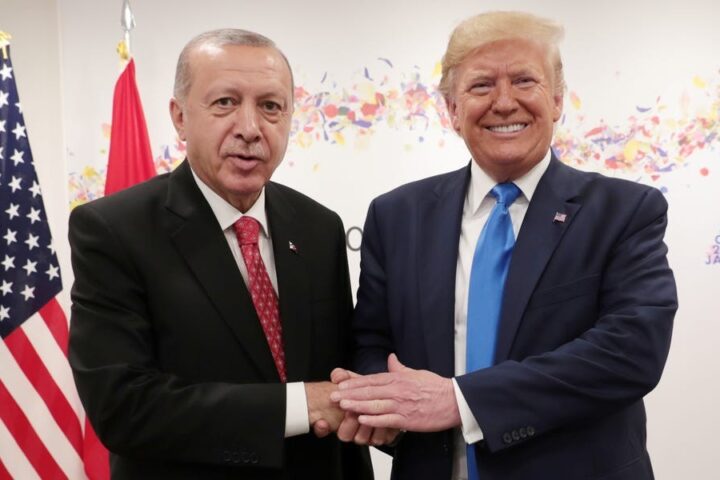
Despite periodic tensions in U.S.-Turkey relations, Washington remains the only international actor with sufficient political, economic and strategic influence to encourage a reassessment of Ankara’s calculations. No other country or international organisation enjoys comparable leverage.
The question is not whether Turkey remains strategically important to the West. It undoubtedly does. The more relevant question is whether today’s Turkey still functions as the dependable strategic partner it was once widely assumed to be.
Recent years suggest otherwise. Ankara has pursued an increasingly independent foreign policy, deepened engagement with actors often at odds with western interests, maintained close relations with Hamas, expanded cooperation with Iran on selected regional issues, and experienced repeated disagreements with both Washington and several NATO allies.
Relations with Israel — America’s closest strategic partner in the eastern Mediterranean — have also deteriorated dramatically. Collectively, these developments have raised legitimate questions about Turkey’s long-term strategic orientation.
History also offers important lessons. Turkey’s refusal to allow U.S. forces to launch operations from its territory during the 2003 Iraq War demonstrated that alliance membership does not automatically translate into strategic alignment.
None of this suggests that the United States should confront Turkey militarily, nor would such an approach be desirable. Rather, Washington should employ the diplomatic influence it already possesses to reaffirm a principle that has long underpinned the international order: no durable peace can be achieved by tolerating the continued occupation of the territory of another sovereign state.
More than fifty years after the Turkish invasion of Cyprus, the island remains divided despite repeated United Nations initiatives and numerous rounds of negotiations. The continued military presence in the northern part of the Republic of Cyprus remains inconsistent with the principles of international law and with the relevant resolutions of the U.N. Security Council.
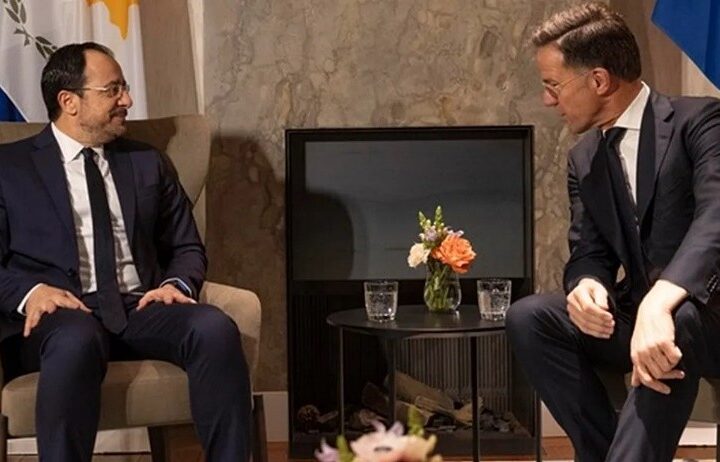
The U.S. has repeatedly described the Republic of Cyprus as an increasingly important strategic partner in the eastern Mediterranean. That partnership should extend beyond security cooperation and regional energy policy. It should also include active diplomatic engagement aimed at creating the conditions for a just and viable settlement based on international law and the principles endorsed by the U.N.
Cyprus and Greece have consistently demonstrated their commitment to the transatlantic alliance and to regional stability. At a time of growing geopolitical uncertainty, both countries remain reliable democratic partners in a strategically vital region.
If Washington wishes to reinforce its credibility as a defender of the rules-based international order, Cyprus presents an opportunity to demonstrate that principle in practice. American leadership alone cannot resolve the Cyprus question. But without meaningful American engagement, it is increasingly difficult to see how meaningful progress can be achieved.
Chris Michael is a political commentator and business consultant