
Global stagflation appears almost inevitable and investors need to ensure that their portfolios are built for resilience, the CEO of a leading independent financial advisory has warned.
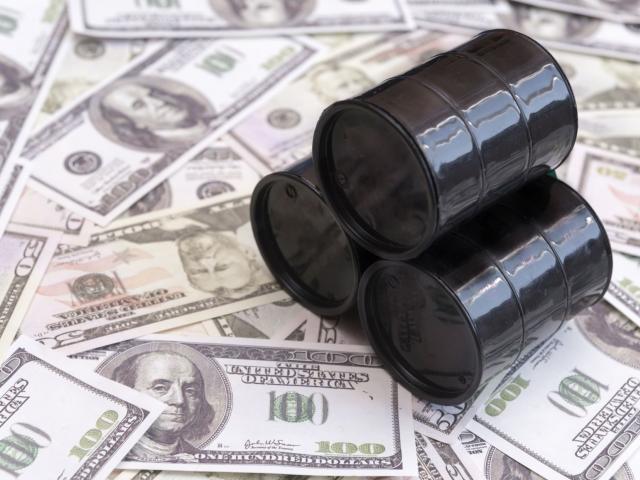
Oil surged above $120 a barrel in highly volatile trading, after a historic spike of almost 29% — the largest intraday jump since April 2020 — before correcting lower, as escalating conflict in the Middle East disrupts supply and sends shockwaves through markets.
The dramatic surge follows attacks on regional energy infrastructure and growing geopolitical tensions that have severely curtailed tanker movements through the Strait of Hormuz, the strategic corridor that carries around a fifth of the world’s crude oil and natural gas exports.
“The world is facing the very real possibility of a global stagflation threat,” warned deVere Group’s Nigel Green.
“Stagflation is the toxic combination of rising inflation and slowing economic growth. Prices climb sharply while economies weaken, leaving policymakers with very few effective tools.”
Green explained that oil is the ignition point.
“Energy prices surge this quickly, inflation accelerates almost everywhere. Businesses face higher costs, households face higher bills, and growth is squeezed at precisely the same time.”
Energy markets have been thrown into turmoil as military escalation across the Gulf region disrupts production and shipping routes.
Several major exporters have already curbed output amid security concerns and operational constraints, sending prices sharply higher.
At the same time, threats against commercial vessels and attacks on energy facilities have dramatically reduced shipping traffic through one of the most important oil corridors in the world.
The deVere chief executive added that markets have already begun reacting to the shock. Asian equities fell sharply as traders reassessed growth prospects and the inflation outlook in the wake of the oil spike.
Governments are scrambling to contain the fallout.
“Finance ministers from the Group of Seven are preparing discussions around a potential coordinated release of strategic petroleum reserves alongside the International Energy Agency, an emergency mechanism intended to stabilise supply during major disruptions.”
Geopolitical shocks take time to unwind
Emergency stockpile releases may calm markets temporarily, but they cannot erase the fundamental problem. World energy supply has just been hit by a geopolitical shock, and those shocks historically take time to unwind.
Green continued that a near-30% surge in oil in a single trading session is going to ultimately feed into transport costs, electricity generation, food production and industrial supply chains, while the consequences for policymakers are profound.
“Central banks now face a brutal dilemma. Inflation accelerates because of energy prices, yet economic growth slows because those same price increases act like a tax on consumers and businesses.”
“In a stagflationary environment, interest rates cannot easily solve the problem. Tightening policy can deepen the slowdown, while easing risks fuelling even more inflation. It creates a very uncomfortable economic trap,” Green said.
He added that energy security has become the defining macroeconomic issue again.
“Investors need to respond decisively now. Stagflation changes the investment environment dramatically.
“Portfolios must be built to withstand persistent inflation pressure while growth weakens,” Green concluded. “Energy exposure, commodities and carefully selected equities linked to real assets become increasingly important.”