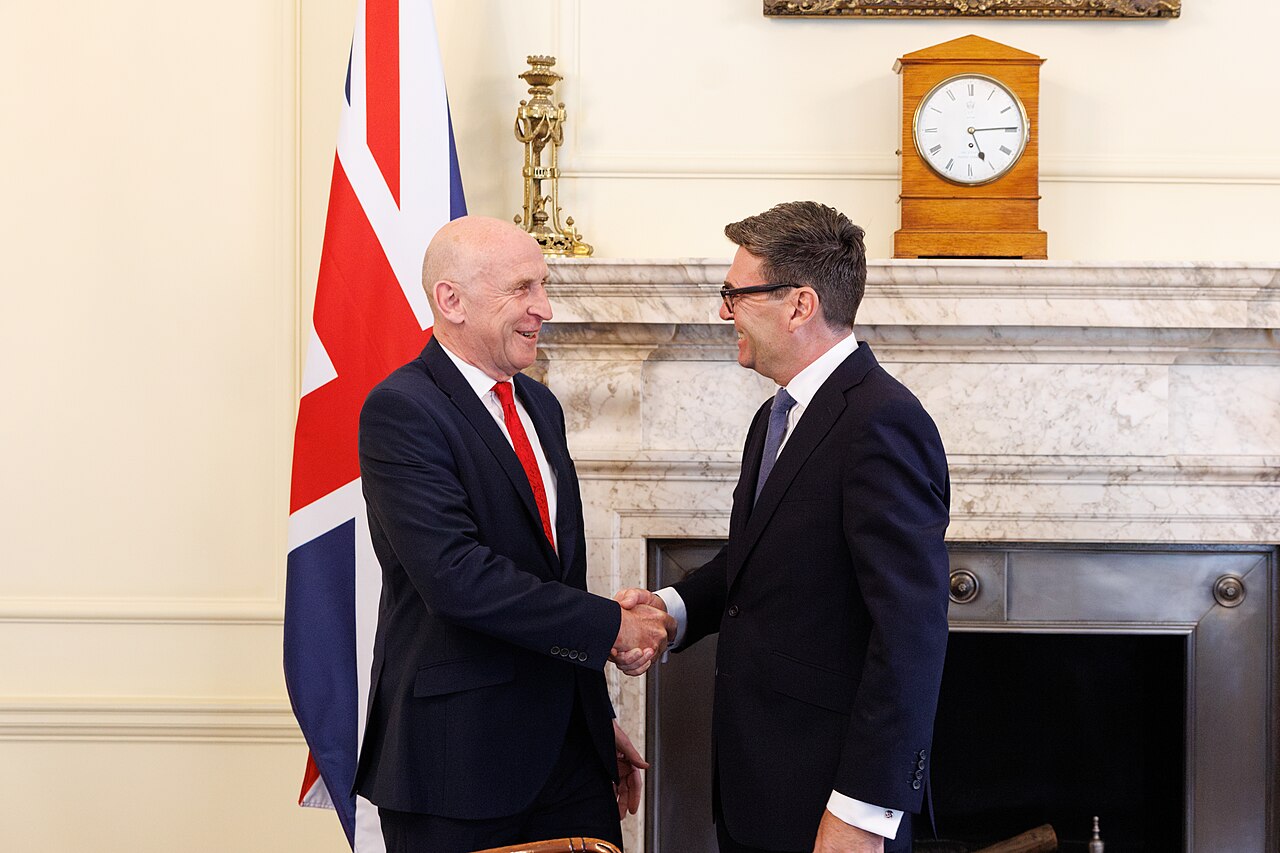

John Healey’s surprise appointment as Chancellor does nothing to neutralise the danger posed by new UK Prime Minister Andy Burnham’s own instincts on borrowing and spending, warned the CEO of a leading independent financial advisory.
Gilt yields eased back and sterling ticked higher on Healey’s appointment, after Burnham’s first comments as PM had driven 10-year yields up eight basis points to 5.049% and pushed 30-year borrowing costs to their highest since late May.
“Investors are betting on the wrong person again,” warned deVere Group’s Nigel Green, cautioning investors against mistaking a calmer morning for a change in direction.
“Healey does not set the direction of this government, Burnham does, and Burnham is a Prime Minister who spooked the bond market within 24 hours of taking office by promising a ‘new economic model’ and telling reporters he would use ‘any flexibility’ he could find within the fiscal rules.
“None of that changes because a more familiar face now sits in the Treasury.”
Green warned that Healey’s own record makes him an unlikely check on Burnham’s appetite for spending.
“This is a Chancellor whose defining trait in government was asking the Treasury for more money as Defence Secretary, right up until he resigned from Keir Starmer’s administration.
“Now, the man who spent years pushing to loosen the purse strings is the one holding them.”
The deVere CEO said that Healey might manage how the flexibility gets used, adding that he was never appointed to prevent it, “because preventing it was never the plan.”
“Healey’s appointment is not evidence that the pressure to spend has gone away. It is evidence Burnham knows the market needed reassurance while he works out how far he can push.”
Green cautioned that this is, arguably, the moment to prepare, not relax. Gilt yields sitting at five-week lows and a marginal rally in sterling reflect relief that Monday’s worst case did not repeat itself, nothing more.
“Reviewing exposure to UK gilts, diversifying sterling holdings and stress-testing portfolios against a renewed sell-off should be happening now, while conditions are calm, rather than after an autumn statement confirms the debt load has grown again.
“Confidence built on one appointment and one quiet trading session is the most fragile kind there is.”
Green concluded that markets have rewarded, so far, a name and a pause, not a policy, “and Britain has made that mistake before.
“Until Burnham rules out further borrowing dressed up as ‘flexibility’, no Chancellor, however experienced or well regarded, can protect this country, or investors’ portfolios, from a Prime Minister whose first instinct in office was to reach for more room to spend.”