
The announcement of an interim agreement between the US and Iran has triggered an immediate and dramatic reaction in world energy markets.
Oil prices fell sharply, with Brent crude dropping below $80/b, as traders rushed to remove much of the geopolitical risk premium that had built up during more than three months of conflict and the effective closure of the Strait of Hormuz.
The market response is understandable. The agreement envisages the reopening of Hormuz, the lifting of restrictions on Iranian oil exports, and the start of a 60-day process aimed at reaching a broader settlement covering Iran’s nuclear programme and sanctions relief. These are difficult subjects, with the two sides having diverging views. The talks could yet collapse.
There is also the risk that Israel may take a different view of the agreement from Washington. The deal reportedly requires a broader cessation of hostilities, including in Lebanon, but Israeli officials have already indicated that they do not intend to withdraw from positions in southern Lebanon or give up freedom to respond to Hezbollah attacks.
That creates a dangerous ambiguity. If Israel continues military operations, or if Hezbollah responds and Iran is drawn back in, Tehran could argue that the agreement has been violated. This would put the US in the difficult position of either restraining Israel or risking the collapse of the deal.
For energy markets, this is a major residual risk: even if Hormuz reopens, any renewed Israel-Iran confrontation could quickly restore the geopolitical premium and delay the return of normal shipping and insurance conditions.
Investors and policymakers should be careful not to confuse a political agreement with an immediate return to normality. The energy consequences of the crisis will take months — and in some cases longer — to work through the system.
Recovery has only just begun
The market may be celebrating the end of the crisis, but the reality is that the recovery has only just begun.
The first reason is physical: Oil and gas supply chains cannot simply be switched back on.
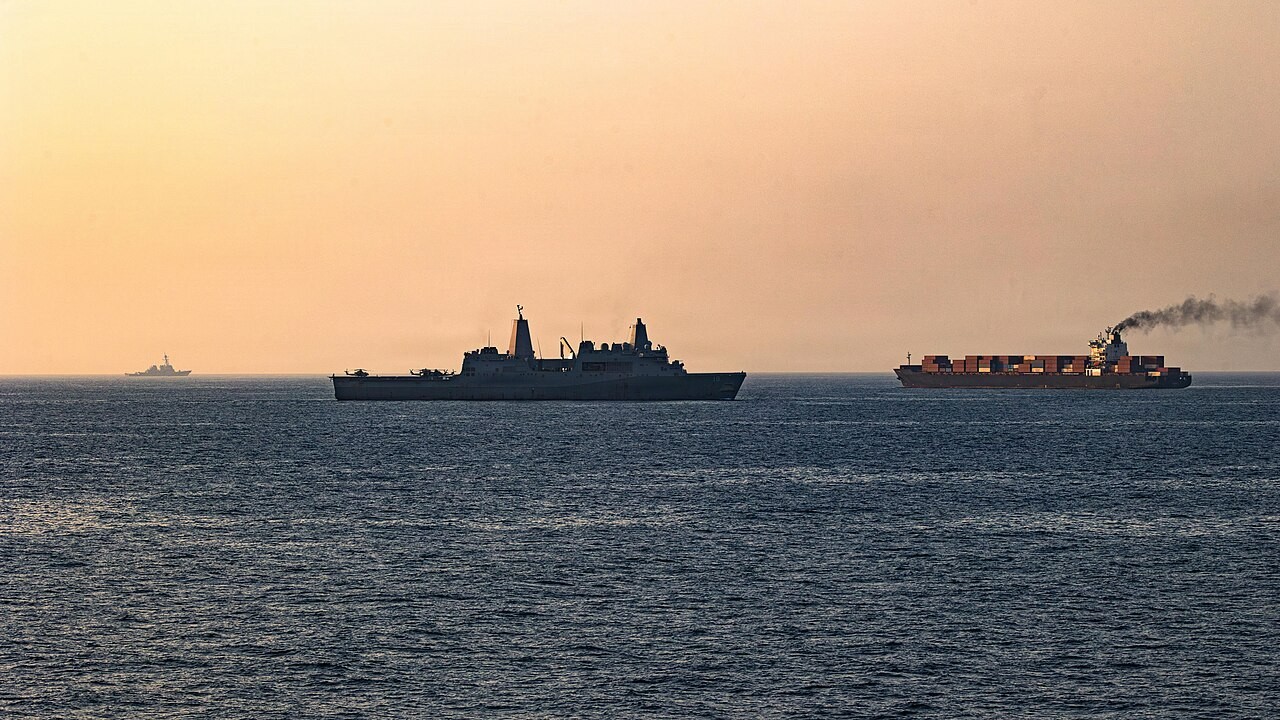
The closure of Hormuz disrupted approximately a fifth of global oil and LNG trade. During the crisis, hundreds of vessels were stranded, tanker fleets were displaced, inventories were drawn down, and production was shut in across the Gulf. According to industry estimates, thousands of oil wells remain offline and significant volumes of crude are still trapped in storage.
Even if the agreement holds, shipping companies, insurers and traders must first regain confidence that the route is genuinely safe.
Major tanker operators have already indicated that they will not resume normal operations until they see sustained evidence of stability. Insurance premiums remain elevated and many operators are adopting a wait-and-see approach.
This means that oil flows are likely to recover gradually rather than immediately.
HSBC estimates that meaningful normalisation of Hormuz traffic may not occur until late July, with near-full restoration of oil production only towards the end of September.
The second reason for caution is that the deal itself remains fragile.
The agreement is effectively a memorandum of understanding rather than a final settlement. Many key issues remain unresolved, including the future of Iran’s enriched uranium stockpile, the timetable for sanctions removal, the release of frozen Iranian assets and the longer-term governance of the Strait of Hormuz.
Both Washington and Tehran have presented different interpretations of parts of the agreement, raising questions about whether both sides are truly aligned on what has been agreed.
Perhaps most importantly, the agreement launches a further 60 days of negotiations on the nuclear issue. US officials themselves acknowledge that reaching a comprehensive nuclear agreement will be significantly more difficult than securing the current framework.
The risk therefore remains that negotiations could stall or collapse, causing renewed tensions and another spike in oil prices.
A third factor often overlooked by markets is inventory replenishment.
During the crisis, governments and companies relied heavily on strategic reserves and commercial inventories to compensate for disrupted Middle Eastern supplies.
Stockpiles have been significantly reduced and many countries are expected to rebuild them once supplies resume.
IMF Managing Director Kristalina Georgieva recently noted that while oil prices are likely to ease, they are unlikely to collapse because countries will seek to replenish depleted reserves as deliveries recover.
This replenishment process could absorb a significant portion of the additional supply returning to the market and provide support for prices over the next year.
Iranian oil exports also face practical limitations.
The agreement allows Iran to resume oil sales and associated banking, insurance and shipping services.
In theory this could return substantial volumes to international markets. However, restoring exports to pre-war levels will require shipping capacity, buyers willing to sign contracts, functioning payment systems and confidence that sanctions relief will endure. Many international companies are likely to remain cautious until a permanent agreement is reached.
Furthermore, sanctions relief is performance-based and linked to continued Iranian compliance. Any perceived violation could quickly disrupt the process.
Crisis may leave lasting legacy on energy trade
Beyond the immediate market impact, the crisis may leave a lasting legacy on the energy trade.
Countries that experienced supply disruptions are already seeking greater diversification.
Asian importers are exploring new LNG contracts outside the Gulf. Producers in regions such as the Americas, Africa and the eastern Mediterranean are likely to benefit from renewed interest in supply security. The crisis has reinforced a lesson repeatedly demonstrated over the last decade: excessive dependence on a single transit route carries significant risks.
The East Med in particular could emerge as a longer-term beneficiary. The strategic value of gas resources in Egypt, Israel, Cyprus and potentially Greece has increased as consumers seek alternatives to supplies that depend on Hormuz.
For oil markets, the most likely outcome is, therefore, neither a return to the extreme prices feared during the crisis, nor a collapse into prolonged oversupply.
The geopolitical risk premium will continue to decline as confidence improves, but physical constraints, inventory rebuilding, cautious shipping behaviour and lingering political uncertainty should prevent prices from falling too far.
Current market expectations of Brent stabilising in the $75-85/b range appear more realistic than predictions of either $150/b oil or a return to pre-crisis lows.
The key message is simple. The agreement represents an important breakthrough and significantly reduces the immediate risk of another energy shock. But it does not restore the world to where it was before the conflict began.
Energy markets can remove a risk premium overnight. Rebuilding trust, supply chains and confidence takes much longer.
The US-Iran deal may mark the end of the crisis. It does not mark the end of its consequences.
Dr Charles Ellinas, Councilor, Atlantic Council