
 By Chris Michael
The steadily rising tensions in the eastern Mediterranean and Turkey’s revisionist ambitions are prompting Greece and Cyprus to undertake a coordinated effort to strengthen their defence and deterrence capabilities.
Both countries are investing in modern military procurement programmes, deepening their defence cooperation, and making use of the tools provided by the European Union in order to effectively address the challenges arising from the “Blue Homeland” doctrine and Turkey’s broader revisionist policy.
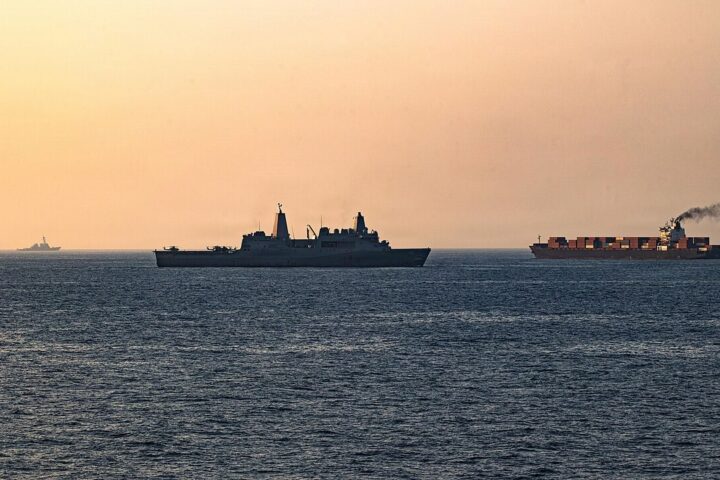
The strategy pursued by Athens and Nicosia is based on enhancing operational readiness, improving the interoperability of their armed forces, and creating conditions capable of deterring any potential act of aggression. At a time when security in the wider eastern Mediterranean region has become a matter of increasing importance, the two countries are seeking to establish a robust framework of defence and security capable of safeguarding their sovereign rights and strategic interests.
In recent years, Cyprus has embarked on a substantial modernisation of its National Guard, placing particular emphasis on strengthening its air defence capabilities. The objective is the creation of an integrated system that will provide effective protection against modern threats, including unmanned aerial vehicles, missile systems and air attacks. At the same time, Nicosia is investing in the upgrading of military infrastructure and equipment in order to enhance the operational effectiveness and readiness of its forces.
A significant component of this effort is Cyprus’s participation in European defence initiatives.
The Republic of Cyprus has already submitted a detailed list of defence requirements under the framework of the European SAFE regulation, which has received a positive response. The utilisation of European funding instruments is expected to contribute substantially to the enhancement of the country’s defence capabilities, while simultaneously strengthening its position within the European security architecture.
At the same time, Greece is implementing an extensive defence procurement programme that is significantly altering the balance of power in the region.
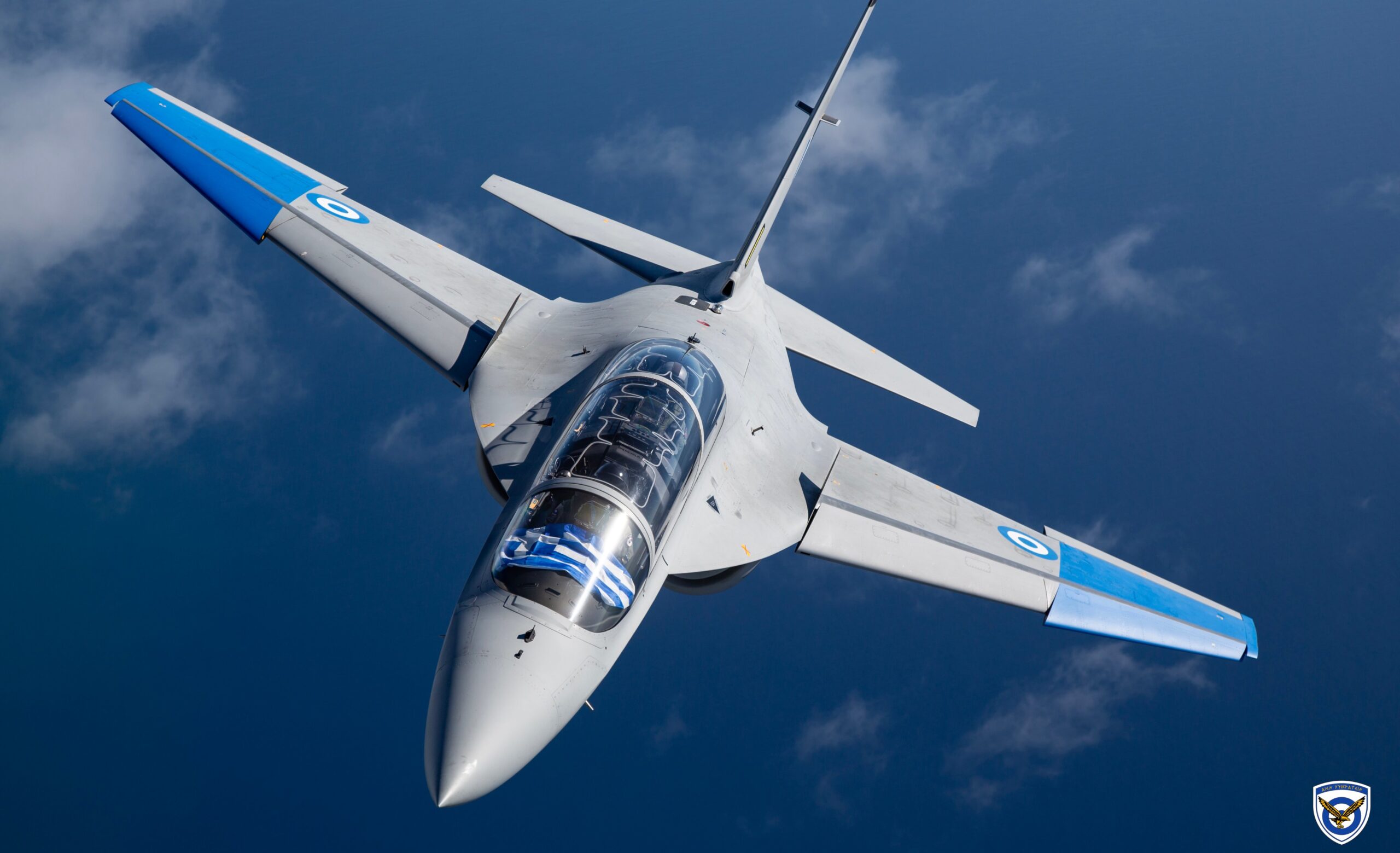
The acquisition of French Rafale fighter jets, preparations for the integration of U.S.-made F-35 aircraft into the Hellenic Air Force, and the strengthening of the Hellenic Navy through the acquisition of modern Belharra frigates constitute key pillars of Greece’s defence strategy. These investments aim not only to preserve the country’s air and naval superiority, but also to establish a credible deterrence framework against any potential threat.
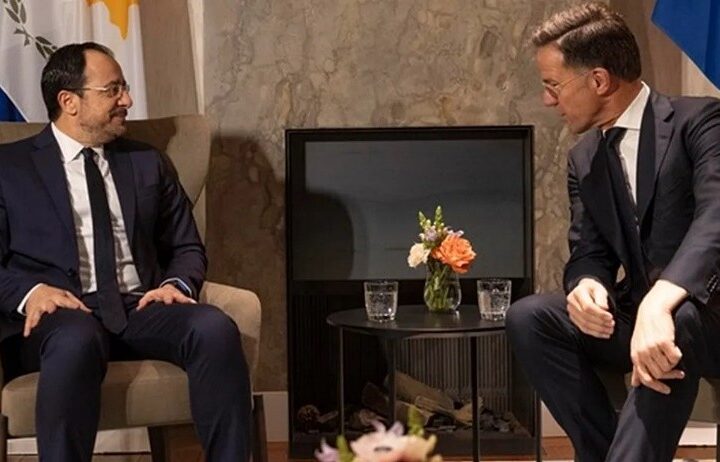
Meanwhile, Athens and Nicosia are seeking to maximise the benefits offered by the European Union’s defence policy. Particular importance is attached to the EU’s mutual assistance clause, as well as to common European initiatives in the fields of defence and security.
Both governments maintain that Turkey’s participation in certain European defence programmes could create serious security concerns and negatively affect the sovereign interests of Greece and Cyprus. For this reason, they are pursuing diplomatic efforts to ensure that European defence policies remain consistent with the principles of solidarity and respect for international law.
These developments have not gone unnoticed in Ankara. The Turkish leadership is closely monitoring the strengthening of defence cooperation between Greece and Cyprus and has frequently expressed its opposition through public statements and political interventions.
At the same time, Turkey continues to promote its own strategic objectives in the region by advancing narratives that challenge existing sovereign rights and international agreements.
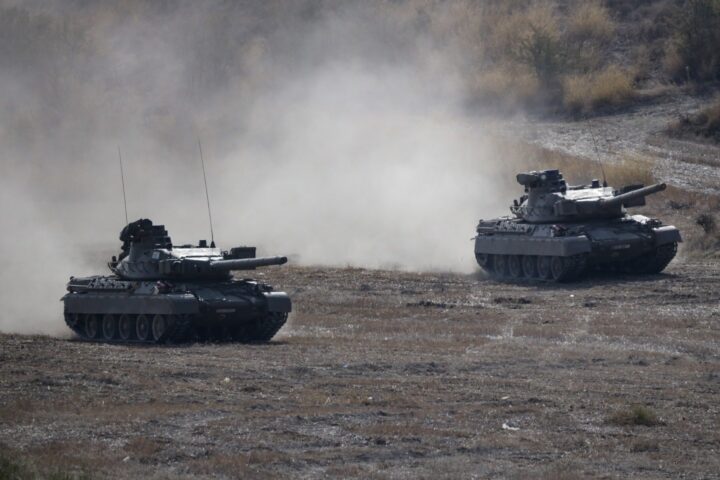
A characteristic example is the conduct of military exercises that include scenarios with explicit references to Greek and Cypriot territory. Such actions are viewed by Athens and Nicosia as part of a broader strategy of pressure aimed at creating faits accomplis and reinforcing Turkish claims in the eastern Mediterranean.
Within this complex geopolitical environment, Greece and Cyprus appear determined to continue strengthening their deterrent capabilities. Their common strategy extends beyond the acquisition of modern weapons systems to include diplomatic cooperation, participation in international alliances, and the effective utilisation of European security mechanisms.
Preserving stability, protecting national sovereignty, and safeguarding sovereign rights remain the fundamental pillars of a policy aimed at securing peace through strong and credible deterrence.
Chris Michael is a political commentator and business consultant