
Armenia goes to the polls on Sunday with just one of two outcomes expected – returning to Russia’s embrace and remaining hostage to Kremlin’s power-broking whims in the Caucuses, or edging closer to the West and the European Union, with all the social and economic benefits that this entails, but with no military or political guarantees in a highly volatile region.
No matter who wins the parliamentary elections, the next Prime Minister has to deal with an existential issue, that has tormented the nation for the past two decades, surrounded by hostile neighbours, regional conflicts and geopolitical interests.
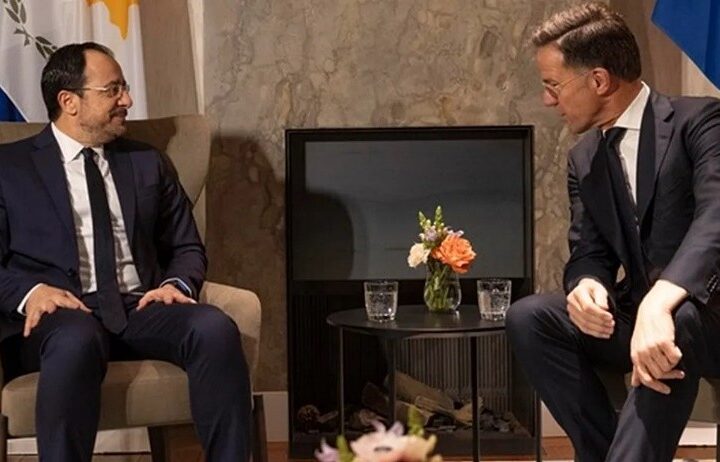
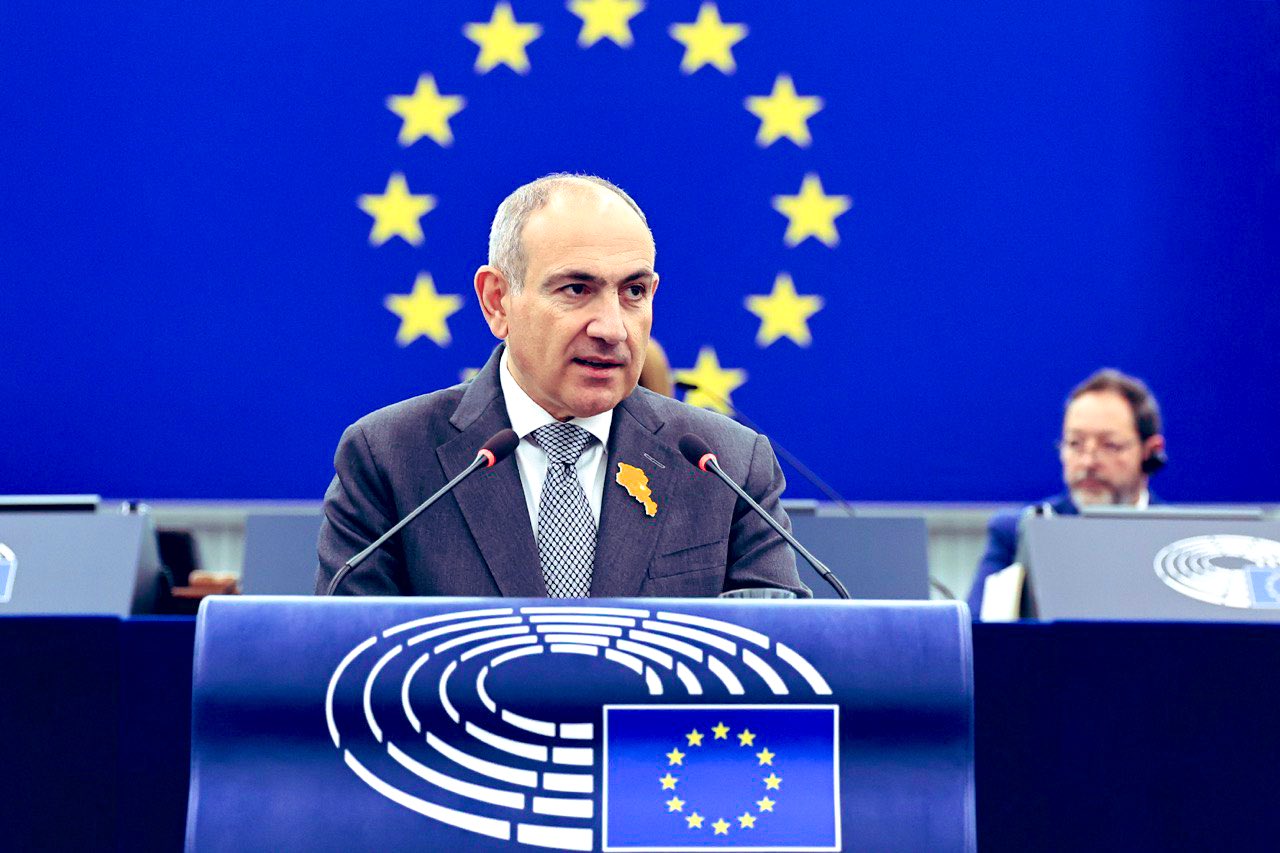
Incumbent Nikol Pashinyan, first elected in 2018 on an anti-corruption platform, is now seeking to normalise relations with Turkey and neighbouring Azerbaijan, with both of which Armenia has been locked in conflict for decades.
He is supported by newfound partners from the EU and Washington, as part of pivot away from the Moscow sphere of influence.
Pashinyan’s main challenger is Samvel Karapetyan, a Russian-Armenian billionaire, head of the Tashir Group who openly favours rebuilding ties to Moscow and vehemently criticised the prime minister over the forced expulsion of all Armenians from Artsakh. His electricity company is facing nationalisation and charges of corruption, while Karapetyan’s ties to the Putin elite have also afforded him a place on the U.S. list of sanctioned oligarchs.
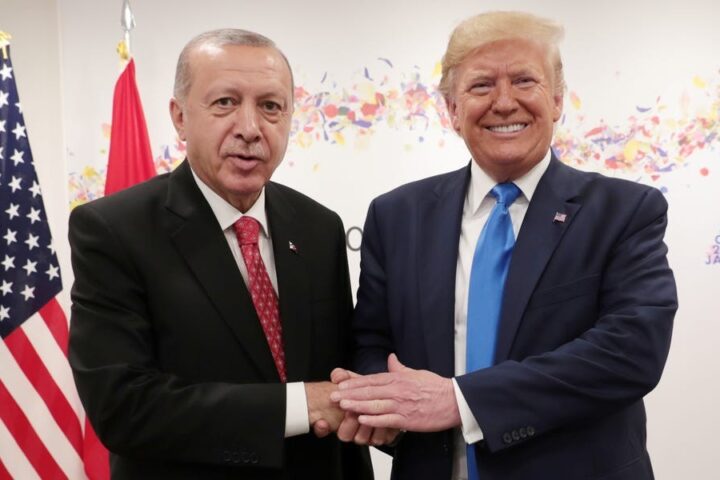
However, despite initial optimism, Pashinyan must realise that EU accession is a far away target and that Brussels is more interested in appeasing Ankara’s demands, as it has done with the Syrian refugee crisis, as well as buying Turkish commercial and military goods. On the other hand, the U.S. is steaming ahead with Donald Trump’s peace plan to establish a transit corridor that would benefit Turkey and Azerbaijan more than others, the Trump Route for International Peace and Prosperity.
TRIPP is a development of the Prime Minister’s own “Crossroads of Peace” initiative announced in 2023 as part of a ceasefire agreement with Azerbaijan. But it comes at a cost.
Pashinyan needs a two-thirds majority in the next National Assembly to change the constitution, which he says is aimed at improving the everyday livelihood of Armenians and to ensure security. But many fear this is a signal of succumbing to western pressure in favour of Turkey and Azerbaijan, as in order for Baku to sign the peace deal brokered in Washington in 2025, it wants all reference to Nagorno Karabagh removed from the Armenian constitution.
Inflaming rhetoric
Azerbaijan continues to aggravate Yerevan with its war mongering machine and Ilham Aliev’s continued inflaming rhetoric about Armenia’s sovereignty by provoking border incidents, in full tolerance of the EU, that stood by helplessly as Azerbaijan ethnically cleansed Nagorno Karabagh in 2023, displacing 130,000 refugees, while it still holds some two dozen political prisoners in Baku jails since the 2020 and 2023 wars.
On the other hand, Turkey is dragging its feet on opening its borders to commercial traffic from Armenia, using this as leverage to push through with the TRIPP deal and to minimise Yerevan’s political demands in a potential peace agreement.
It maintains a similar policy of political stalemate in Cyprus, until it secures better EU accession terms, while it violates Greece’s airspace on an almost daily basis, despite both being equal partners of NATO, where members supposedly have no conflict among them.
The historical Armenian land of Artsakh has been a major divisional issue, not only in the election campaign, but has also caused a major rift between Yerevan and the Armenian diaspora, with the refugees, many of whom have been spread throughout Armenia, feeling marginalised and not partaking in the elections.
They have been obliged to surrender their Nagorno Karabagh citizenship and right to return to their historic homelands, while they are openly frowned upon and sometimes publicly mocked.
But analysts warn that a massive network of disinformation, much of it linked to Russia, is weaponising the trauma of recent wars.
Voters are also aware of the perceived failure of Russia to protect Armenians during the conflict in Nagorno Karabakh in 2020 and 2023.
The next prime minister must also rebuild bridges with the Armenian diaspora, a much-needed ally that has been relegated in recent years, yet maintains strong political lobby groups in many European and western nations, including the U.S., by supporting education and culture, and helping to cultivate national identity.
Corruption charges
Former prime minister Robert Kocharyan is also in the running and wants to abandon relations with the EU and the West, by restoring Russia’s influence, but could face corruption charges if Pashinyan is re-elected, for vote rigging and selling off national assets and infrastructure to Kremlin’s oligarchs.
Pashinyan wants to diversify Armenia’s economy and military, and a majority of Armenians say the country is heading toward the right direction, with opinion polls supporting his social welfare and education reforms.
Armenia has enjoyed robust economic growth in recent years, with foreign direct investments booming through a strong focus on high-tech developments and the recent announcement of the first AI facility.
On the other hand, the AMX stock exchange recently marked its 25th anniversary, tourism is growing rapidly as a favourable new destination, and exports are booming despite Russia imposing a last-minute ban on perishables as a way to exert pressure on Armenian voters.
Putin has warned the Armenian government of sanctions if it permanently leaves the NATO-rival CSTO defence group, as well as the Eurasian Economic Union, with import bans that hit just a week before the elections, leaving tonnes of fresh fruit and vegetables, flowers, cognac and mineral water unsold, forcing Armenia to seek new markets.
In return, the EU offered aid of €50 mln to support fruit and perishable exports, with Austria being the first to announce it was buying goods from Armenia.
Pashinyan said in his last interview before election day that it was high time the economy diversified and was not held hostage by just one country, Russia, for its exports, while saying exports to China and the EU have doubled, and those to India have risen by 87%.
Asked about the apricot exports, the most popular goods sold in the Russian market, Pashinyan concluded that these should also be promoted in at least eight or ten new markets, adding that even tourists buying goods in Armenia were promoting and helping exports.
Perhaps market forces and Armenia’s iconic apricots will determine the future geopolitical alliances of the country.