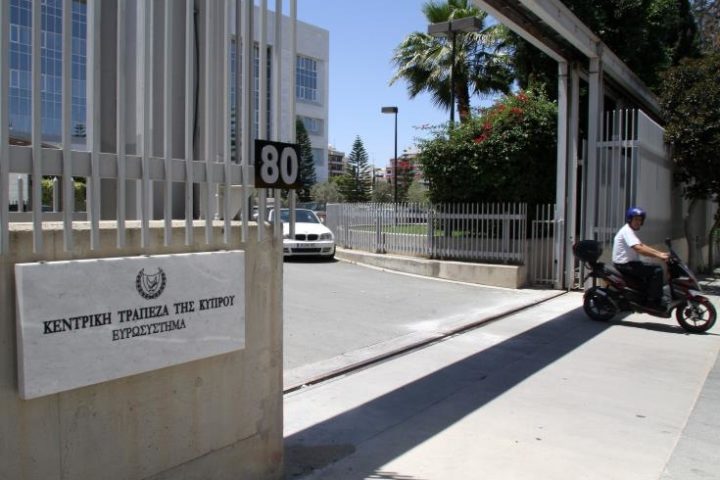
Cyprus must take steps to correct its fiscal imbalances in the next two months, while a nascent economic recovery is not enough to curb growing unemployment, Central Bank governor Athanasios Orphanides said on Wednesday.
"Important steps must be taken within the next two months to avert, or at least limit the possibility of further downgrades of the Cypriot economy," Orphanides told a meeting at the island's finance ministry.
The island, one of the smallest states in the euro zone, emerged from recession last year. Authorities forecast 0.8% growth for 2010, and expect its deficit at 5.3%. This year authorities expect a deficit of under 4.0% and growth at around 1.5%.
"An (economic) recovery is being observed, which is not, unfortunately, enough to curb rising unemployment," Orphanides said, according to a text of his remarks given at the Economic Consultative Committee, an informal body of economic stakeholders.
Orphanides is also a member of the Governing Council of the European Central Bank.
Unemployment levels reached 7.3% in December, according to Eurostat data. The figure is abnormally high for an island which for decades had unemployment running at less than 4.0%.
Cyprus was downgraded one notch by Standard and Poor's last November, while Moody's and Fitch warned in January that the island's sovereign ratings could be cut.
Moody's and Fitch cited fiscal slippage as a cause of concern, and exposure of the island's banking system to debt-ridden Greece.
Orphanides said two of the island's banks had already taken steps to bolster their capital. Consultations were underway to set up a bank stability fund, and said that the Central Bank was looking at one operating in Sweden.
"This would operate completely independently of the government and be designed to be a security buffer for our bank system, if this is ever warranted," he told journalists. He did not provide details.
Orphanides said authorities must take immediate steps to curb the public payroll and address pension reform. The government recently commissioned an actuarial study on the system.
"By doing this we will give markets the message that although these are chronic and deep-rooted problems, there is the necessary collective will to solve this problem in a short period of time, starting from today," he said.
Cyprus's state payroll represents about 30% of annual spending. It has 55,000 civil servants among a population of about 800,000.
Authorities say they plan to cut the number of civil servants by 1,000 each year. More than 1,000 left in 2010 and the scheme will continue until the end of 2012.

Cyprus must take steps to avoid downgrade, says central bank chief

688 views
1 min read