
The sharp rise in oil prices following attacks on Gulf energy infrastructure is being treated as another geopolitical spike, and investors risk missing the deeper shift taking place beneath the surface, according to the CEO of a leading financial advisory.
Brent crude rose 4% to $103.78 a barrel as Iran intensified attacks on energy infrastructure across the Gulf, while prices remain below the $119.50 peak reached after the conflict began, though oil is still up nearly 50% compared with pre-war levels.
The UAE said a drone struck the Shah natural gas field, one of the largest in the world, and a tanker was hit by an unknown projectile off the port of Fujairah in the Gulf of Oman.
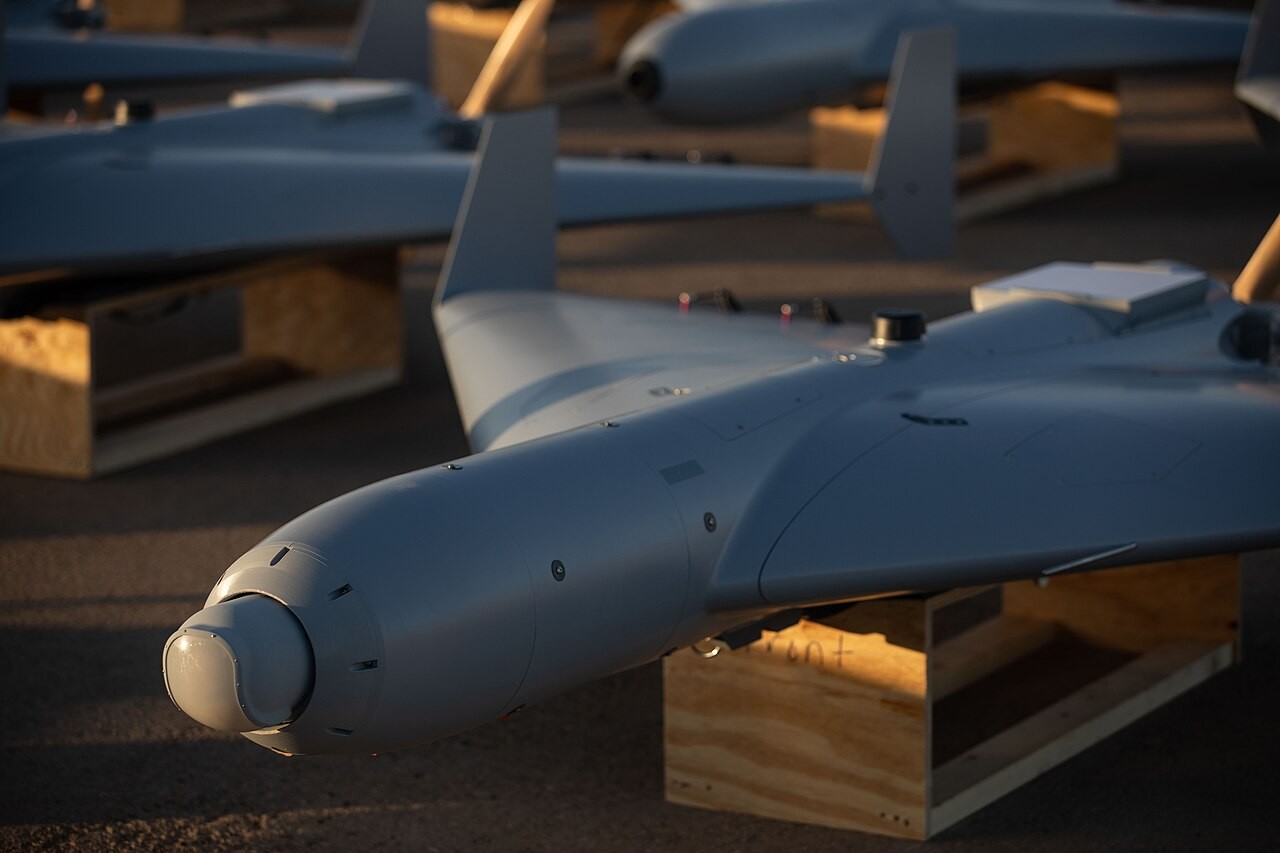
“Billion-dollar facilities and vital shipping routes are increasingly exposed to attacks that require minimal capital and limited sophistication,” warned deVere Group’s Nigel Green.
“Cheap drone capability is introducing a permanent layer of risk into the world energy system.”
This asymmetry matters for investors, Green explained.
Energy markets have historically priced disruption around state-level conflict, sanctions, or supply decisions.
The barrier to entry for disruption has now collapsed. Non-state actors and regional proxies can target critical infrastructure with increasing frequency, raising the baseline level of uncertainty.
He added that, “a single drone costing a few thousand dollars can disrupt assets worth billions. This changes how risk needs to be valued across energy markets and beyond.”
Green said that the implications extend well beyond oil prices for investors.
First, volatility is likely to become a defining feature of the energy complex.
“Short-term spikes may become more frequent, but more importantly, the floor under prices is likely to rise as markets embed a sustained risk premium,” noted the deVere founder and CEO.
Second, capital allocation within the sector is set to shift.
“Companies with geographically diversified assets, stronger security capabilities, and access to resilient infrastructure are likely to command higher valuations.”
Third, adjacent sectors stand to benefit.
Defence firms
“Defence and counter-drone tech firms are positioned to see increased demand as governments and corporations invest in protecting critical assets.”
Green continued: “This isn’t just an energy story. It feeds directly into defence spending, tech investment, and global supply chain resilience.”
He said that currency markets are also in play.
“Countries heavily reliant on imported energy could face renewed pressure on their currencies, while safe-haven assets, including the US dollar, may continue to attract inflows during periods of escalation.”
Crucially, this is not a short-term dynamic tied to a single conflict.
The proliferation of drone tech is accelerating globally. Accessibility is increasing, costs are falling, and the tactical effectiveness has been demonstrated repeatedly.
“Markets have yet to fully absorb what this means for long-term pricing,” Green warned.
“The rules have changed. Risk is being democratized, and markets will have to catch up.”