Comment by Morningstar DBRS
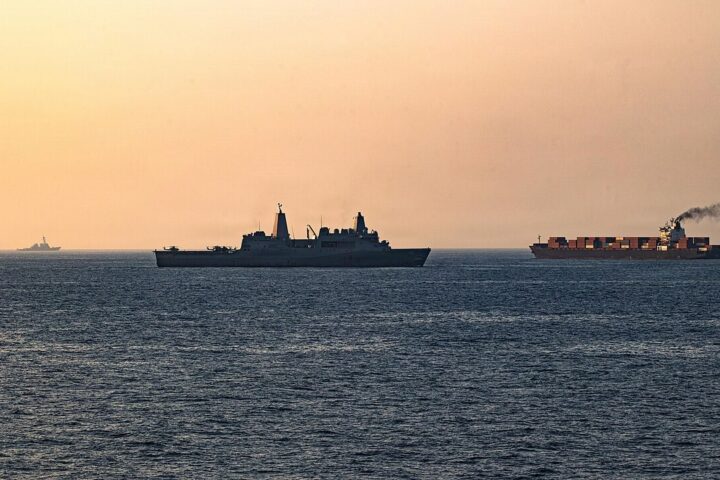
Crude oil prices have increased sharply since the United States and Israel started their coordinated strikes on Iranian military targets on February 28. Iran countered, launching missiles and drones at U.S. bases and regional allies.
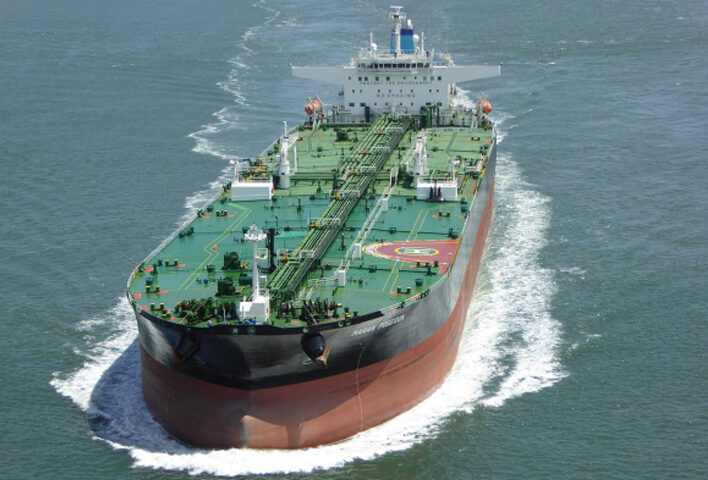
The higher crude prices reflect the increased political risk premium and potential disruption in supply as maritime authorities and carriers, in response to the conflict, have halted traffic through the Strait of Hormuz, which sees roughly 20% of global crude oil, as well as seaborne gas flows.
It is unclear whether the price increase is sustainable over the medium term, because the conflict is still in its early stages, and it is difficult to determine if there will be structural impact on oil and gas supply coming out of the region.
Crude markets have already been grappling with the question of whether there is a supply glut coming in 2026, and the conflict, along with the OPEC+ announcement on Sunday to increase production (albeit not materially), only makes things murkier.
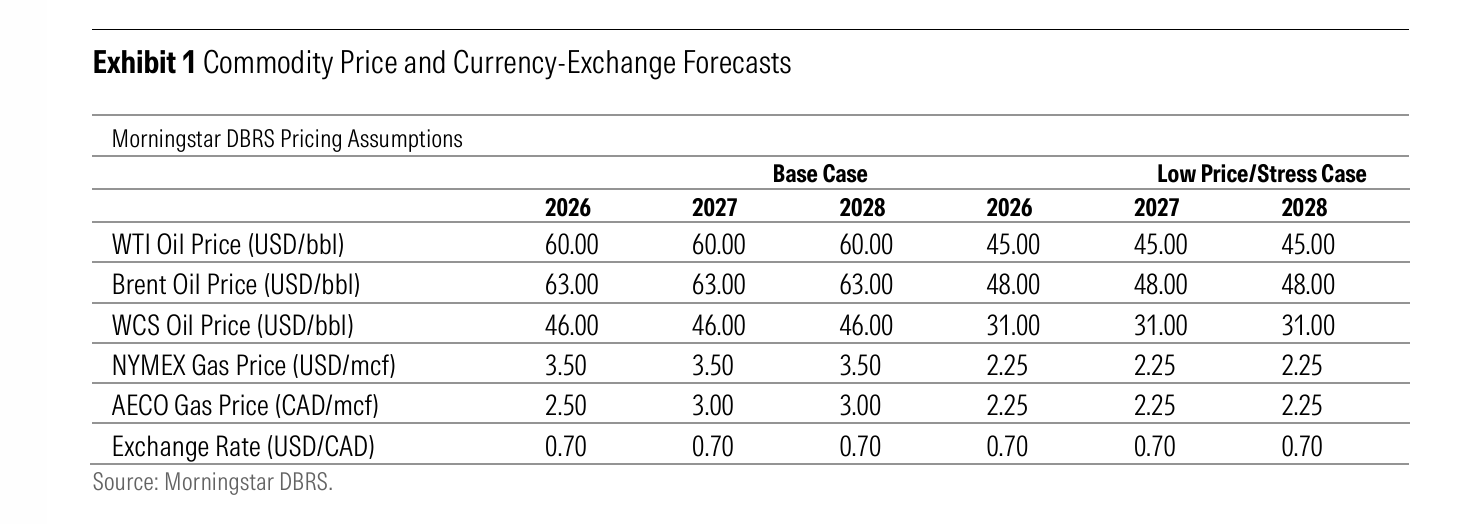
Our previous report from January stated we expected West Texas Intermediate and Brent crude oil prices to average $60 and $63 per barrel, respectively, in 2026.
Given the uncertainty, we are not changing our base-case price assumptions at this time. Based on year-to-date prices and near-term expectations, there is potential upside to our full-year Brent and WTI crude oil price forecasts (Exhibit 1).
Disruptions in the Strait remain a key concern
Approximately 20 million barrels per day of crude oil and petroleum products flow through the Strait, located between Oman and Iran, connecting the Persian Gulf with the Gulf of Oman and the open sea (see Exhibit 2).
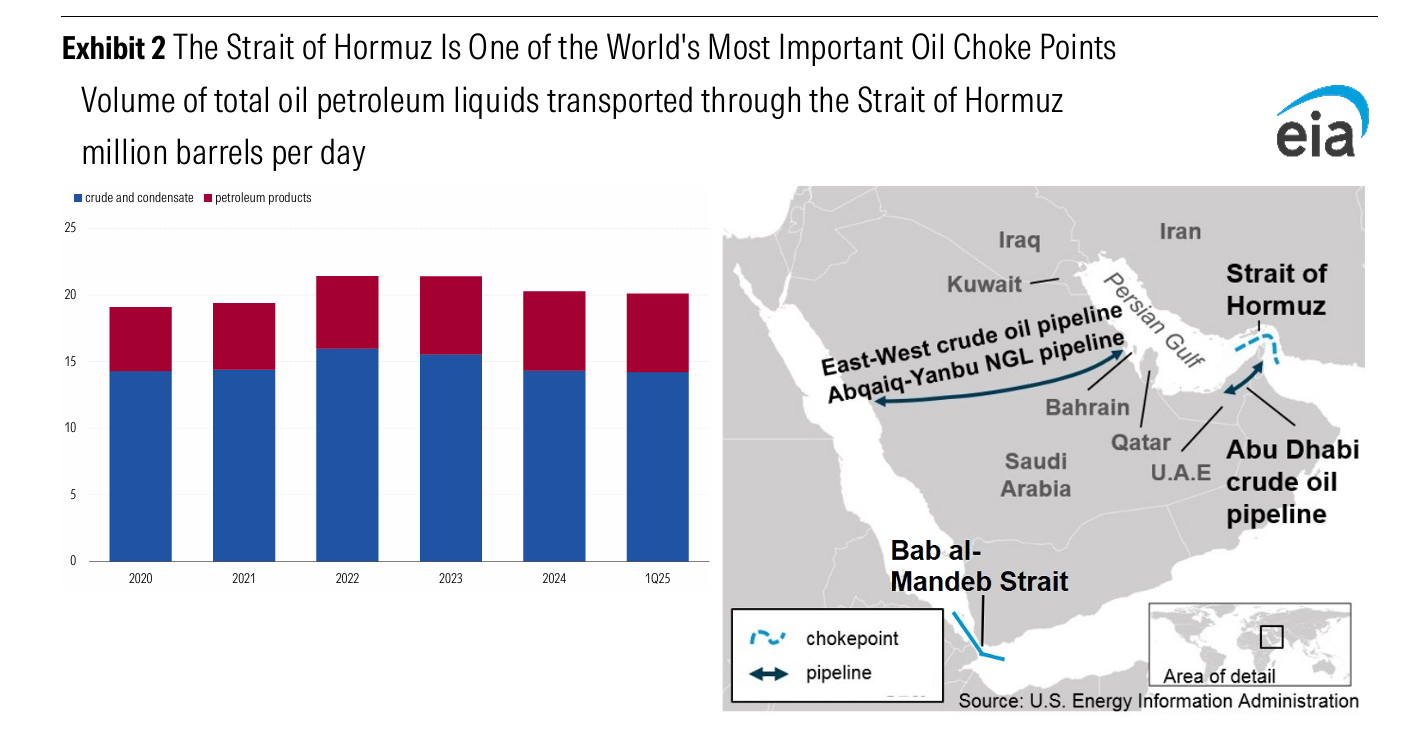 It is one of the world’s most important oil choke points. Production from some of the world’s largest crude oil producers, such as Saudi Arabia, Iraq, Iran, United Arab Emirates and Kuwait, are partially routed through the Strait.
While there is some overland access for crude oil out of the region, it is nowhere near sufficient to replace flows through the Strait. In addition, Qatar, which is one of the largest exporters of liquified natural gas to the world, routes all its LNG shipments through the Strait, with no viable alternative options.
Qatar has already shut down its largest LNG plant because of a targeted drone attack. Any sustained disruption in LNG supply from Qatar could potentially boost delivered natural gas prices.
Qatar is one of the largest LNG suppliers to Asia, and the disruption will come at a time when European natural gas storage levels are also at their lowest level since 2022 because of a harsh winter. This could create a surge in demand for LNG cargo from other countries including the U.S., which is the world’s largest LNG exporter, driving New York Mercantile Exchange gas prices higher.
Loss of supply from Iran a lesser concern
Iran produces approximately 3 mln bpd of crude oil and there have been no reports, a yet, of attacks on Iran’s oil infrastructure. Nevertheless, we expect the impact of any loss of potential production from Iran to have a lesser impact on crude oil prices, compared with the closure of the Strait.
In our 2026 outlook, we had outlined our view that the crude oil markets will be in a surplus in the first half of 2026 and that should provide a buffer for any loss of production from Iran. In addition, eight OPEC+ countries announced on March 1, that they would resume unwinding the 1.65 mln bpd of voluntary cuts announced in April 2023 with an increase of 206,000 bpd in April this year.
Also, OPEC+ has an additional 2.2 mln bpd of voluntary cuts announced in November 2023 that have yet to be unwound. While some of that capacity may only exist on paper, it is still significant spare capacity.
Many U.S. producers have been cautious on growing production because of worries about a negative tariff-related effect on the global economy, and oil demand growth could also step in quickly if WTI remains higher consistently.
Projecting direction of pricing is a challenge
Confidently projecting the direction of oil and natural gas pricing is a challenge, especially considering the potential for turbulence in both markets, and the conflict only makes it more so.
There is too much uncertainty to determine if crude oil prices will remain high, and it is largely dependent on how the conflict plays out. As such, there is no change to our midcycle pricing assumptions, so we are not currently contemplating any credit rating actions.
That said, in the short term, the increase in crude oil prices is modestly credit positive for the industry.
Where applicable, higher cash flows should enable producers to achieve their deleveraging goals quicker. Producers that hedge material amounts of their production will also likely see windows of opportunity to beef up their hedge books.