The state-owned Electricity Authority of Cyprus reported a mild increase in after-tax profits, rising from €36.1 mln in 2023 to €37.3 mln last year, due to lower emission costs, with the chairman saying that the utility was on a course for cheaper electricity in 2025.
The EAC said in its annual report that it reduced greenhouse gas (GHG) emissions allowances by €45 mln to €211 mln in carbon trades on the EU Emissions Trading System.
George Petrou said the EAC’s four strategic priorities were tackling climate change, providing affordable electricity, ensuring energy security and delivering high-quality customer service.
This came through a range of investments, including €45 mln earmarked for infrastructure projects to enhance the national energy network.
He also announced progress in energy storage, including plans for battery storage systems.
In addition to the continued installation of smart meters, the EAC signed a €50 mln contract in cooperation with state-owned telco Cyta, to install a smart infrastructure system (AMI).
As regards the rising cost of electricity bill, impacting predominantly low and medium income households, Petrou referred to inevitable tariff increases needed to upgrade the network, but he also dismissed speculation of a much larger 13% hike.
Meanwhile, speaking at the same EAC event, Energy Minister George Papanastasiou said that an electricity storage system with a capacity of 120MW will be operational by June next year.
He added that according to estimates by the Transmission System Operator, at least 600MW of storage capacity will be required by 2030.
Energy poverty
Citing data for 2023, the minister noted that energy poverty affected 17.5% of all households in Cyprus, up from 15.1% in 2022, compared to 10.6% in the EU,
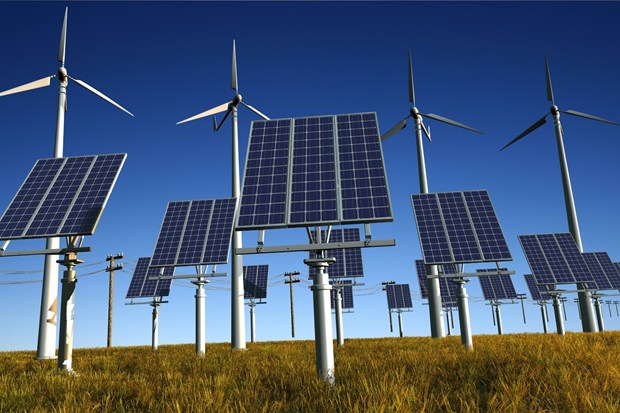
Petrou said in addition to the Tseri solar park, two more projects were added to the EAC network, the 12MW facility in Akrotiri, Limassol, and the 8MW park in Achera, near Nicosia, producing electricity at an approximate cost of 5c per kilowatt hour.
The utility has already installed small photovoltaic units on roofs of state schools, as well as army camps, while additional solar parks are being planned across Cyprus, helping reduced the cost of the EAC’s energy mix through renewables.
Finally, as regards electric mobility is another priority, the EAC continues to expand its network of fast and semi-fast chargers, currently operating 35 dual charging stations, with plans for a further 40 stations by the end of 2026.