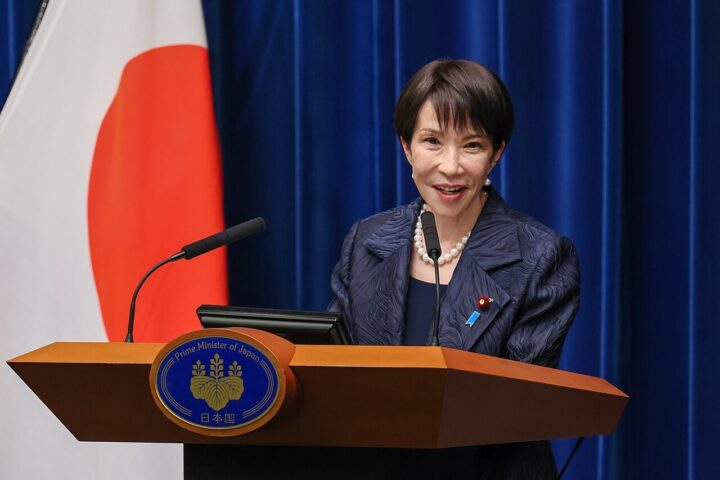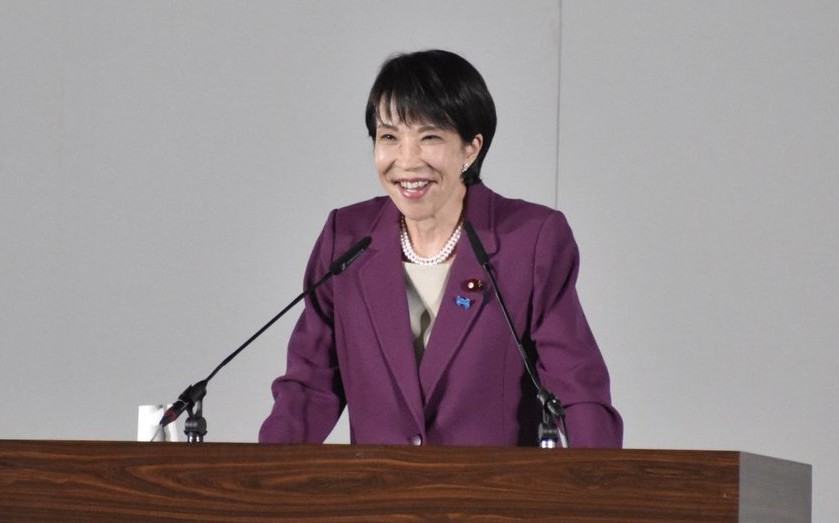

Following the resignation of PM Shigeru Ishiba last month, who was also leader of the Liberal Democratic Party, Japan is set to get its first female prime minister next week with Sanae Takaichi winning the LDP leadership on October 4.
Rating agency Morningstar DBRS noted that the LDP election was a five-way contest with Takaichi, Japan’s former economic security minister, winning the run-off against Shinjiro Koizumi, son of former Prime Minister Junichiro Koizumi.
This was the second leadership contest in a year, primarily due to the fact that the LDP, under the leadership of Ishiba, had lost two successive national elections — for the lower house on October 27, 2024, and for the upper house on July 20 this year.
For the first time in 70 years, the LDP leads a minority government in both houses of parliament (Exhibit 1 below). Japan’s parliament is expected to convene on October 15 to formally elect the next prime minister.

Rising Domestic and External Challenges
The LDP is increasingly divided between its conservative and liberal wings.
In addition to easing internal party divisions, the new LDP leader has several challenges to address. On the domestic front, these include rising inflation, fallout of the slush fund scandal and growing unease over immigration.
Furthermore, Japan faces growing external challenges arising from geo-political tensions and tariffs.
Takaichi, a conservative and protégé of the late Shinzo Abe, has in the past backed “Abenomics”, policies which included monetary easing and fiscal spending, but has tempered her stance on these policies during her campaign trail.
With the LDP currently a minority government in both houses, Takaichi will require support from opposition parties to pass legislation.
On the external front, Takaichi has said that ensuring the Japan-U.S. alliance is her top priority and she would adhere to the trade and investment deal agreed to by the Ishiba government. She aims to navigate that relationship without aggravating relations with China.
The challenge would be striving a balance between her conservative views on Japan’s wartime history and Taiwan.
Credit Fundamentals Unchanged
Following eight years of relative political stability under PM Shinzo Abe (2012-2020), Japan has had a string of premiers from Suga to Kishida in 2021, followed by Ishiba in 2024.
Political parties are broadly in agreement over most economic policies, but there are growing differences on certain issues, including the rising numbers of foreign residents and visitors, as well as policies to stimulate growth.
If there is any change in economic policymaking under Takaichi, it could be a slightly more expansionary fiscal stance in the near term.
While Japan’s fiscal deficit has declined to 2.5% in 2024 from the pandemic highs of 9% of GDP, higher government spending could result in deficits edging higher. While this could result in an uptick in yields, Morningstar DBRS noted that Japan’s financial flexibility is high.
The debt is all domestic with average maturities over nine years coupled with the Bank of Japan holding close to 50% of outstanding bonds.
Moreover, Japan’s long-term credit fundamentals (rated A (high) with a ‘stable’ trend), have been improving, due to the ongoing virtuous cycle between wages and prices.