
Income tax rises in the UK now appear almost certain in the upcoming Budget, warns Nigel Green, CEO of deVere Group, a leading independent financial advisory.
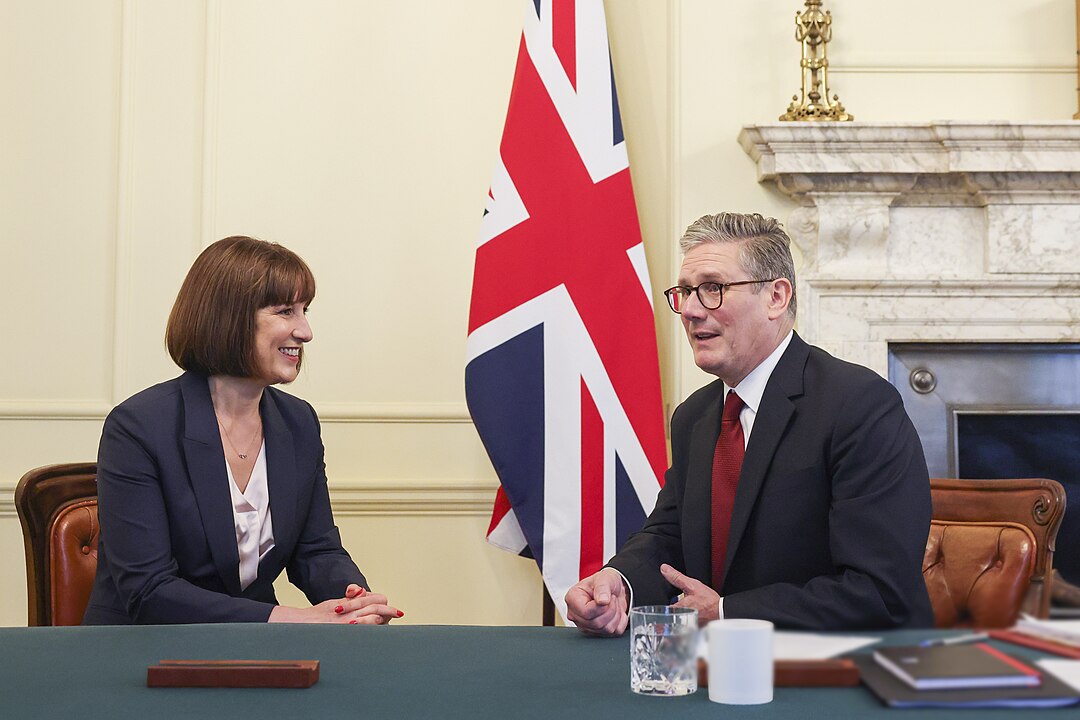
Chancellor of the Exchequer Rachel Reeves prepares to deliver her first Budget on November 26 and in a BBC interview, she described the upcoming budget as “difficult” and refused to rule out tax increases.
“It’s increasingly clear that the government is preparing the public for an income tax hike,” said Nigel Green.
“The language has shifted from reassurance to justification. The talk of ‘necessary choices’ and ‘doing what’s right for the country’ is political code for higher personal taxation.”
Green added that income tax “is likely to rise because it’s the single biggest and most reliable source of government revenue.
“It raises far more money than capital gains or inheritance taxes, making it the fastest way for the Treasury to close the fiscal gap.”
“This Budget is shaping up as one of the toughest in years. Reeves is trying to fill a deep fiscal gap while keeping credibility with the markets,” the deVere CEO continued.
“The combination of sluggish growth, high debt servicing costs and stubborn inflation means the Treasury’s options are narrowing fast. Raising income tax thresholds or rates now looks inevitable.”
Green pointed to the UK’s deteriorating fiscal arithmetic as the trigger, with the deVere Group consistently warning for more than six months that tax rises are likely to be on their way in the Budget.
“The government’s borrowing costs remain near multi-decade highs, and public debt has topped 97% of GDP. The interest burden on the debt pile is still crushing. Reeves knows she has to find revenue somewhere, and she’s running out of alternatives.”
“Capital gains tax and dividend tax increases have been widely discussed, and they may still come.
“But these alone won’t deliver the scale of revenue needed. Income tax remains the government’s most efficient lever, politically painful though it is.”
The chief executive said that politically, an income tax rise could be presented as ‘temporary’ or ‘targeted,’ though as history teaches, such measures rarely roll back.
“Expect it to be framed as a shared sacrifice to restore stability, with hints that once growth improves, thresholds will be reviewed. But once revenue streams are opened, they rarely close.”
Middle earners
Green warned that middle earners will feel the impact most.
“Fiscal drag has already pulled millions into higher brackets as wages rise faster than thresholds. An explicit increase would deepen that squeeze.
“It risks undermining disposable incomes just as consumer confidence shows early signs of recovery.”
He also highlighted the message this Budget will send to international markets.
“Reeves is walking a fine line between reassuring investors that the UK is fiscally responsible and avoiding a public backlash.
“Income tax hikes will signal discipline to bond markets, but they risk dampening growth in the short term.”
Green concluded that the Labour government has spent weeks softening the ground for this move.
“The talk of ‘difficult decisions’ and ‘responsibility’ is about expectation management. We believe income tax is about to rise, not because the Chancellor wants it to, but because she has no other credible choice left.
“The markets will welcome fiscal honesty, but households will feel the strain. This Budget will test political nerve and economic realism in equal measure.”