
A sweeping new tariff on branded and patented pharmaceuticals is poised to backfire on the United States, and investors are already positioning for the fallout.
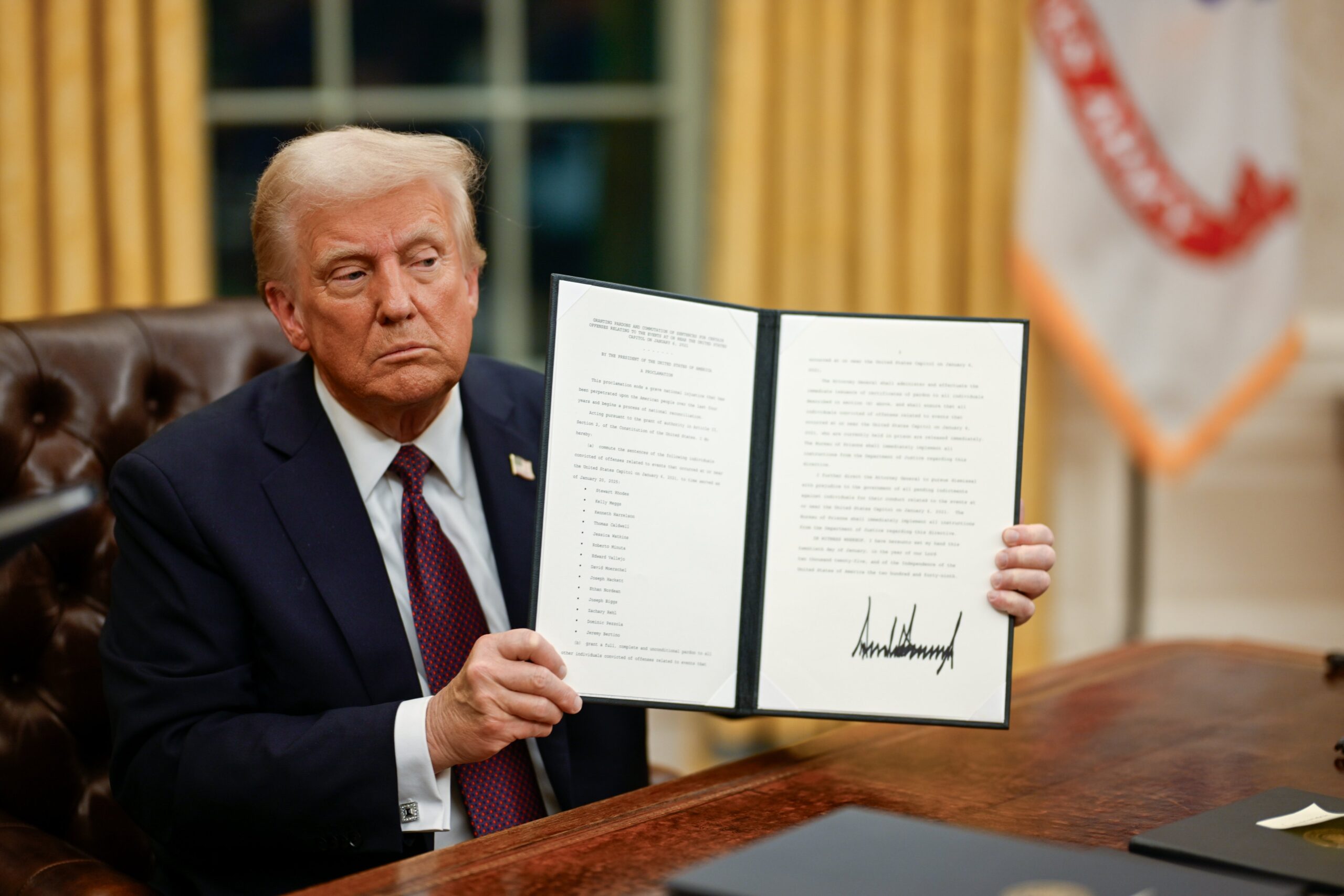
The 100% duty announced by President Donald Trump, due to take effect on October 1, is designed to force drug manufacturing back onshore.
Instead, it threatens to raise costs, disrupt supply chains and accelerate capital flows away from U.S. markets, according to Nigel Green, CEO of leading independent financial advisory deVere Group.
“A tariff of this magnitude on high-value medicines will ripple through every part of the global health economy,” he said, warning that the move undermines the very goal it claims to serve.
“Rather than sparking a manufacturing renaissance, it’ll deter investment, heighten inflationary pressure and drive sophisticated capital to markets that remain open and predictable.”
The stakes are enormous, explained Green. US pharmaceutical imports have surged to more than $200 bln a year, reflecting a tightly knit global production system that cannot be uprooted quickly.
Active ingredients and critical components often cross borders multiple times before a finished treatment reaches a patient.
“You can’t rebuild decades of specialised infrastructure overnight,” he noted. “Investors see that reality more clearly than policymakers.”
This tariff arrives as the US is already wrestling with rising healthcare costs and persistent medication shortages.
Analysts expect higher prescription prices within months, as importers and distributors pass on the new levy.
“The inflationary impulse is obvious,” added Green. “Global investors will look beyond headlines and position for a weaker dollar and firmer pricing power in non-US pharmaceutical hubs.
“Capital is fluid; and it won’t wait for Washington to change course.”
He pointed to the broader context of trade confrontation. The Trump administration has expanded national-security probes into robotics, industrial machinery and medical devices, signalling that pharmaceuticals are only one front in a wider campaign.
Weaponise tariffs
“The message to markets is that the US is prepared to weaponise tariffs across critical sectors,” observed Green.
“It invites reciprocal measures, further fragmenting supply chains and creating precisely the uncertainty that long-term investors avoid.”
Their strategies are already likely to be shifting. Emerging markets with strong life-sciences infrastructure and stable trade regimes are drawing fresh attention.
Currencies tied to those economies could see renewed strength as funds diversify away from the dollar. Equity allocations are likely to tilt toward firms and jurisdictions insulated from US trade policy.
“The instinct is to move toward reliability,” the deVere chief executive said. “Regions that maintain open markets and support cross-border production will command a premium.”
He also highlighted the knock-on effects for the wider US economy.
Pharmaceutical research and development relies on predictable global inputs. If those flows are interrupted, pipeline delays and cost overruns will ripple into healthcare providers, insurers and ultimately consumers.
“Investors are calculating the second-order consequences,” he explained. “When the supply of essential medicines is threatened, it affects productivity, labour markets and overall economic confidence.”
Green added that the policy could erode America’s competitive standing in an industry that thrives on international collaboration.
“Restricting access to world-class ingredients and expertise will not strengthen the US. It will encourage global talent and capital to deepen their commitments elsewhere.”
The timing compounds the challenge. With US inflation still above the Federal Reserve’s long-term target and interest-rate cuts only just beginning, another source of upward price pressure complicates monetary policy.
“Investors will read this as a fresh reason to hedge US exposure,” Green said.