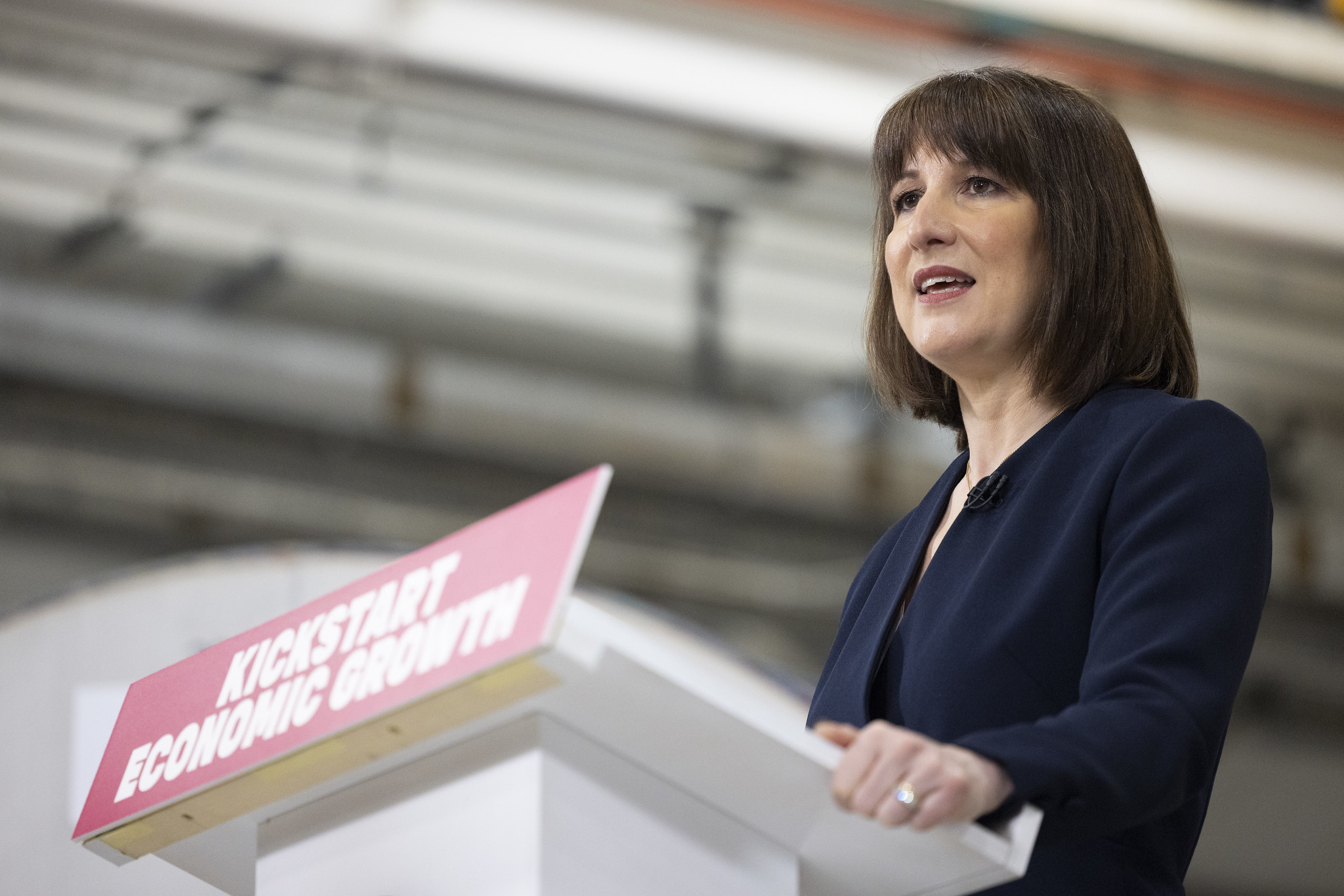

UK government borrowing came in higher than forecast in June, a setback for Chancellor of the Exchequer Rachel Reeves that has markets jittery and households bracing for tax hikes, according to leading financial advisor.
“Gilt yields climbed on the news, and so should awareness among individuals with UK assets,” said Nigel Green, CEO of financial advisory giant deVere Group, adding that, “the time to protect your wealth is now”.
ONS data on Wednesday showed public sector borrowing reached £20.7 bln last month, £3.5 bln more than expected and the highest June figure outside of the pandemic era.
“This borrowing shock is the flashing red light on the dashboard,” warned Green.
“The UK is headed toward a fiscal squeeze, and the Chancellor has limited room to manoeuvre. That makes tax rises not just likely, but inevitable.”
The increase in borrowing was driven by higher interest payments on inflation-linked debt and ballooning public spending, which has outpaced gains in tax revenues. It also raises questions if the government can stick to its fiscal rules without turning to new or increased taxes.
“Markets are already reacting. Gilts dropped and yields jumped, which is a clear signal that investors expect tougher measures ahead. And that usually means taxes — stealth or otherwise — will be deployed to stabilise the books.”
With debt interest payments nearly doubling year-on-year in June and pressure mounting from backbench MPs for wealth and tourist taxes, the deVere chief executive said the direction of travel is now unambiguous.
“The political noise is getting louder. Whether it’s capital gains, pension reliefs, property, or new forms of wealth taxation, something has to give.
“The Chancellor has ruled out reopening departmental budgets, which narrows the options dramatically.”
Green warned that investors, business owners, and anyone with UK assets should not wait to react after the Autumn Budget.
Fiscal gaps
“By the time tax policy changes are announced, it’s often too late to respond effectively. The smart move is to plan proactively, now. When fiscal gaps this size appear, governments act fast, and retrospectively.”
With borrowing at £57.8 bln already this financial year and the Office for Budget Responsibility forecasting a potential £30 bln hole in public finances by year-end, the deVere CEO said the government’s fiscal hand is being forced.
“There’s no free money left. We’re past the era of cheap borrowing and blank-cheque economics. Markets want discipline. Voters want services. That tension will be resolved through taxation.”
“Those with investment portfolios, property, pensions or inheritances tied to the UK need to assess their exposure and consider future-proofing strategies. This is smart wealth management.”
Despite the political pledge to avoid day-to-day borrowing, the numbers tell a different story. The Treasury is borrowing more, not less, and paying more for it, not less.
“Inflation-linked bonds and rising rates have made it brutally expensive to finance the national debt. That’s going to reshape the economic agenda, and likely your personal finances with it,” Green said.
“Tax hikes can be disguised, delayed, or dressed up as reform, but they’re still tax hikes,” the deVere founder called on clients and individuals to get ahead of potential tax changes now.
“We expect movement on capital gains, inheritance tax, and pension rules in particular, and we believe it would be reckless to assume otherwise.”
“We’re urging those with UK ties — whether living in Britain, invest here, or hold assets here — to speak to advisors urgently. It’s about protecting what you’ve built,” he concluded.